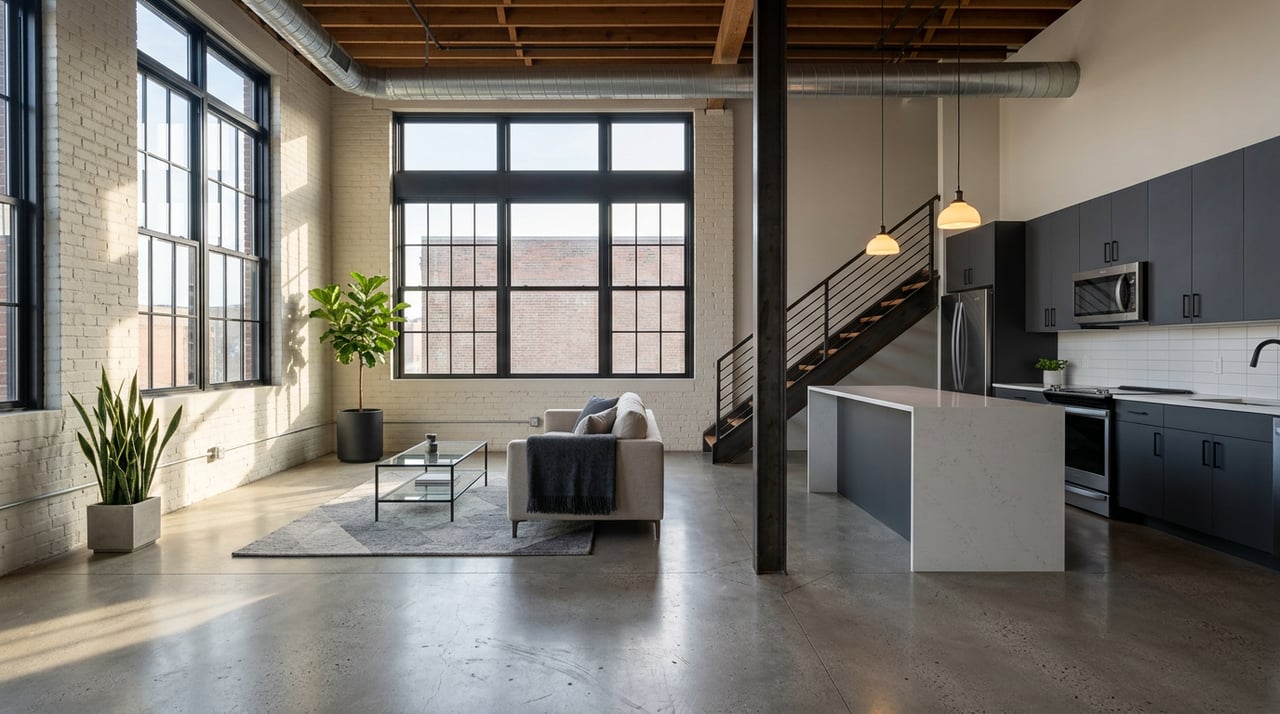
If you love big windows, tall ceilings, and a neighborhood with creative energy, Dogpatch should be on your shortlist. This compact Central Waterfront pocket blends brick-and-timber history with polished new-builds, which means you can choose between authentic warehouse conversions or modern loft-style condos. In this guide, you’ll learn how hard and soft lofts differ, what to look for on tours, and how nearby waterfront projects may shape long-term value. Let’s dive in.
Why Dogpatch works for loft lovers
Dogpatch holds one of San Francisco’s highest concentrations of preserved worker housing and industrial buildings, which is why you still see brick, timber, and steel windows throughout the area. The City surveyed and designated Dogpatch as a local historic district under Article 10, which helps protect character-defining features when buildings are adapted to new uses. You can see the district’s history and building types in the Planning Department’s walking tour and preservation bulletins.
- Learn about Dogpatch’s landmark context in the City’s neighborhood walking tour PDF.
- For how Article 10 preservation works, review the Planning Department’s historic preservation bulletin.
Daily life and transit connections
You have an active arts hub at the Minnesota Street Project, local bakeries and restaurants, and pocket parks like Esprit Park and Progress Park. The Muni T Third Street line runs along 3rd Street, and the 22nd Street Caltrain station is nearby for Peninsula commutes. These conveniences make Dogpatch a practical choice if you split time between home, studio, and meetings across the city.
- Read more about the T Third Street route on Wikipedia’s overview.
Hard vs soft lofts: what to know
The term “loft” covers two main categories in Dogpatch. Understanding the differences will help you focus your search and weigh tradeoffs.
Hard lofts: character and scale
Hard lofts are authentic warehouse conversions. You often get exposed brick, heavy timber beams, industrial-scale windows, and open volumes that feel dramatic yet flexible. Many buyers love the patina and proportions that make art displays, long worktables, and multi-use layouts easy. Potrero Square Lofts at 701 Minnesota Street is a classic local example, with arched wood windows and interior brick that capture the Dogpatch aesthetic.
- See a general definition of hard versus soft lofts in this loft overview.
Soft lofts: style with modern systems
Soft lofts are new-build, loft-style condos designed to deliver the vibe without the quirks. You’ll see high ceilings, open kitchens with islands, and large windows, plus modern systems, better insulation, and condo-style amenities. For a local feel, look at 950 Tennessee, a recent design-forward building with contemporary finishes and in-unit comforts, and 815 Tennessee, a boutique project known for curated interiors and rooftop access.
- Explore a representative unit at 950 Tennessee.
- View the architect’s project page for 815 Tennessee.
Quick visual cues when touring
- Hard loft signals: exposed brick, timber trusses or rafters, arched or steel-mullioned windows, mezzanine sleeping lofts, and polished concrete or reclaimed-wood floors.
- Soft loft signals: tall new windows or floor-to-ceiling glazing, built-in storage, open kitchens with islands, double-glazed windows, elevators, and shared roof decks.
Market story: Pier 70 and Potrero Power Station
Large waterfront projects frame Dogpatch’s long-term trajectory. Treat them as evolving storylines rather than fixed promises, since phasing and market conditions can shift.
Pier 70 and Building 12
Building 12 is a standout example of adaptive reuse with soaring steel trusses and a market or maker hall program that anchors neighborhood identity. It showcases how historic shells can integrate modern systems and climate resilience, and it signals continued activation on the waterfront as the broader Pier 70 master plan advances in phases. For context on Building 12’s restoration and resilience work, see this coverage from Commercial Property Executive about Pier 70 and Building 12.
Potrero Power Station momentum
Nearby, the Potrero Power Station master plan is moving forward with institutional anchors, including a UCSF life sciences presence on Block 2. Institutional pre-leasing can help stabilize timelines and demand, which is meaningful for long-range neighborhood improvements. Learn more about the project’s deep-dig and early phases in this overview of UCSF life sciences at Potrero Power Station.
Buyer checklist for creatives and remote workers
Use this quick list to keep your search focused on liveability, comfort, and long-term value.
- Natural light and orientation: Prioritize big warehouse windows and east or west exposure for softer light. If the bedroom is on a mezzanine, check how light reaches the upper level and how the main floor ventilates. For examples of light-forward loft living, see Dwell’s profile of a multi-level Dogpatch loft that feels like an artist’s sanctuary, including skylights and art-friendly volumes. Dwell’s artist loft profile.
- Noise and insulation: Single-pane steel-sash windows in older conversions can carry street noise. Newer soft-loft buildings usually have double-glazed windows and better sound isolation. Ask about window upgrades during showings.
- Heating, cooling, and energy: Confirm the heating type and whether the unit has cooling. Adaptive reuse projects like Building 12 illustrate how modern all-electric systems fit historic shells, which is useful context when you think about year-round comfort. For the big-picture approach to HVAC in historic envelopes, see the Pier 70 Building 12 coverage.
- Storage and bikes: Lofts trade volume for closets. Check for dedicated storage lockers, bike rooms, and in-unit laundry. Many new-builds, including 815 Tennessee, highlight private storage and bike-friendly amenities.
- Parking and commute: Confirm assigned parking since some conversions have limited on-site options. Map your walk to the Muni T Third Street and the 22nd Street Caltrain stop if you split time between the city and the Peninsula. Review the T Third Street overview for route basics.
- HOA rules and historic-district guidelines: If you plan interior work or business use, confirm HOA rules and ask about any Article 10 review requirements. The City’s Dogpatch survey and preservation bulletins are good starting points for understanding scope. See the walking tour and context and the preservation bulletin.
- Resale audience: Hard lofts often attract buyers who value character and patina, while soft-loft condos market to those who want the look with modern convenience. Calibrate your expectations accordingly. For a concise definition, visit the loft overview.
How to choose the right fit
- Choose a hard loft if you prioritize authentic materials, dramatic volume, and the flexibility to stage art, gear, or large work surfaces. Budget for potential window or insulation upgrades and be ready to live with some quirks.
- Choose a soft loft if you want the aesthetic plus modern comfort. Expect better sound isolation, double-glazed windows, and contemporary kitchens. Amenities like roof decks and elevators add convenience.
- If you are undecided, tour one of each on the same day. Compare light, acoustics, storage, and how easily you can set up a quiet work zone.
What to notice on tours
Bring a small checklist on your phone. Snap photos so you can compare units after back-to-back showings.
- Big-picture shots: one wall-to-wall photo that captures ceiling height and window scale. Note where a desk or studio setup can go.
- Detail shots: timber trusses, brick patterns, steel windows, or any visible pulley hardware in conversions.
- Function shots: kitchen triangle and island clearance, closet interiors, and laundry placement.
- Community shots: roof deck or courtyard, lobby, mail area, and bicycle storage. If you have time, grab a quick street photo that shows nearby galleries like the Minnesota Street Project or your favorite coffee spot to remember the block’s vibe.
The bottom line
Dogpatch makes it easy to fall for loft living because you can choose between two strong narratives. Hard lofts give you texture and volume that feel one of a kind. Soft lofts deliver clean lines and modern comfort in a design-forward package. Nearby waterfront projects are building momentum, so treat them as long-term context and focus your decision on light, noise, storage, and commute today.
If you want a tailored shortlist of Dogpatch lofts that match your work style and design taste, reach out to David Poulsen. Schedule a free consultation to compare options and tour the best fits.
FAQs
Are Dogpatch lofts good for remote work?
- Many Dogpatch lofts offer generous open space and strong natural light, which can support a quiet office nook or mezzanine studio; verify light, acoustics, and outlet placement during tours and see this Dwell artist loft example for inspiration.
What is the difference between a hard loft and a soft loft?
- Hard lofts are historic warehouse conversions with exposed brick, timber, and industrial windows, while soft lofts are new-build condos that emulate the look with modern systems and amenities; see the loft overview for definitions.
How do Pier 70 and Potrero Power Station affect Dogpatch buyers?
- Building 12 at Pier 70 is already active and signals ongoing waterfront activation, while Potrero Power Station has institutional anchors that can support construction pace; both are phased and market sensitive, so treat them as long-term context rather than fixed timelines, as discussed in the Pier 70 coverage and Potrero overview.
Do historic-district rules affect renovations in Dogpatch lofts?
- Historic-district and Article 10 protections focus on preserving character-defining features, so coordinate early with your HOA and the City for any significant changes; see the City’s Dogpatch walking tour guide and preservation bulletin for context.
What about noise and insulation in older lofts?
- Older conversions can have single-pane steel-sash windows that transmit street noise, while newer soft-loft buildings typically use double glazing and better sound isolation; ask about window upgrades and wall assemblies during your tour.