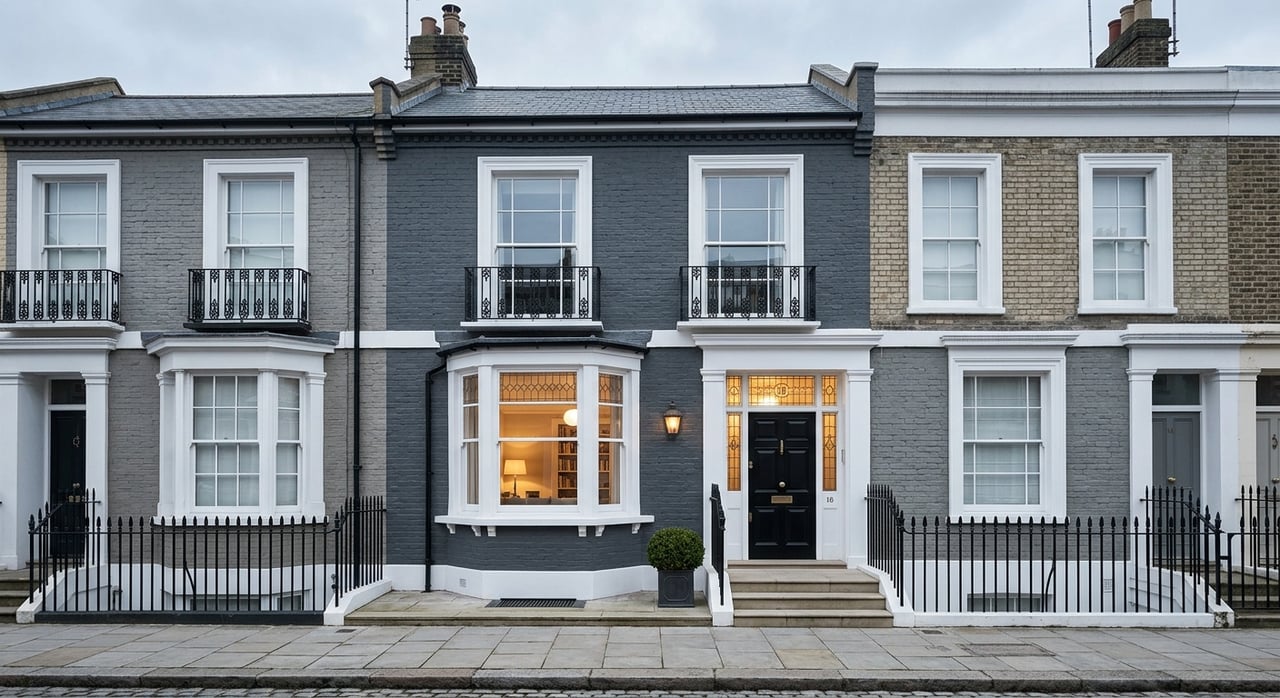
Looking for a San Francisco neighborhood that feels residential without feeling disconnected from the city? The Richmond District stands out for exactly that balance. If you want side streets with a calmer rhythm, easy access to major parks, and commercial corridors that make daily life convenient, this area deserves a closer look. Let’s dive in.
Why the Richmond District Feels Different
The Richmond District is not defined by a single uniform look or pace. San Francisco Planning notes that neighborhood boundaries across the city are shaped by history, geography, and culture, and the Richmond is often discussed as both the Inner and Outer Richmond.
What makes the area distinctive is its setting in San Francisco’s northwest corner. It is framed by the Presidio and Lincoln Park to the north, the Pacific Ocean to the west, and Golden Gate Park to the south. That geography gives the neighborhood a rare mix of city living and open-space access.
The Richmond also carries a strong sense of history. Western Neighborhoods Project explains that the area grew from sand dunes, dairies, and scattered cottages into a dense residential district after the 1906 earthquake, with much of the neighborhood built out by the late 1920s. That early development still shapes how the neighborhood feels today.
Richmond District Lifestyle and Daily Rhythm
One of the best ways to understand Richmond District living is to think in layers. Side streets tend to feel quieter and more residential, while major corridors bring more activity, dining, and daily errands into easy reach. As you move toward the park edges, the neighborhood feels greener, and as you head west, the air gets cooler and more coastal.
This is a neighborhood where everyday life often happens close to home. You are not relying on one single destination for everything. Instead, the Richmond offers a pattern many buyers want: homes on low-rise residential blocks paired with nearby streets that handle groceries, coffee stops, restaurants, and basic errands.
For buyers who value a more grounded residential feel, that matters. The Richmond is urban, but it often feels less intense than denser parts of San Francisco. That balance is a big part of its appeal.
Parks and Open Space Shape the Neighborhood
Golden Gate Park Access
Golden Gate Park forms the Richmond’s southern edge and plays a major role in neighborhood life. According to SF.gov, the park spans 1,017 acres and draws roughly 25 million annual visitors. It includes the car-free JFK Promenade, along with gardens, museums, athletic fields, and event spaces.
For residents, that means Golden Gate Park is not just a landmark. It functions as part of the weekly routine. Walks, runs, bike rides, and casual weekend outings are all built into the neighborhood experience.
Presidio and Trail Access
To the north, the Presidio adds another layer of outdoor living. The Presidio Trust reports that the park includes 24 miles of hiking and biking trails and eight scenic overlooks. It also offers multiple ways to get there, including shuttle, transit, biking, and walking.
If you enjoy outdoor access without leaving the city, the Richmond has a strong advantage. Few San Francisco neighborhoods are bordered by this much major parkland on multiple sides.
Ocean Beach and Coastal Weather
On the western edge, Ocean Beach gives the district its coastal identity. The National Park Service describes it as a 3.5-mile stretch of shoreline next to Golden Gate Park. That access to the coast changes both the scenery and the day-to-day feel.
It also affects the weather. Late spring and summer are often foggy near Ocean Beach, with average temperatures in the 50s. If you are considering the Outer Richmond in particular, that cool, breezy climate is an important part of the lifestyle.
A Practical Note on Walkability
The Richmond’s open-space access is a major draw, but it comes with some tradeoffs. San Francisco Planning notes that some park-edge connections remain incomplete, with gaps in sidewalks and crosswalks around areas like Lands End, Park Presidio, and Golden Gate Park.
So yes, the neighborhood offers excellent access to nature. At the same time, some routes feel more seamless than others, especially compared with more compact, downtown-style neighborhoods.
Commercial Streets That Anchor Daily Life
Clement Street Activity
Clement Street is one of the Richmond’s most active commercial corridors. San Francisco Planning identifies Inner Clement as especially lively, with a mix of retail, neighborhood-serving businesses, and restaurants that attract visitors from across the city.
SF.gov’s Central Richmond guide also highlights more than 100 small businesses in the area, especially along Clement, Balboa, and Geary. That concentration helps explain why so many residents see Clement as more than a shopping street. It is part of the neighborhood’s social rhythm.
Planning materials also note Clement’s long-standing role as a food and grocery destination. In the 1980s, the corridor became known as the “new Chinatown” as Chinese-owned businesses increased, helping shape the street’s identity as a place for both daily needs and dining.
Balboa and Geary Character
Balboa and Geary offer a different feel. Outer Balboa is smaller in scale, and San Francisco Planning says it has become more walkable and pedestrian-friendly after streetscape improvements. For many residents, that means a more relaxed and approachable local corridor.
Geary is broader and more auto-oriented. Planning describes it as a wide thoroughfare lined mainly with one- and two-story buildings, with a mix of neighborhood-serving businesses and restaurants. It plays an important practical role, even if it feels less intimate than Clement.
Transit in the Richmond District
The Richmond is connected by bus rather than rail, and that shapes the experience of getting around. According to SFMTA, major routes serving the area include the 5 Fulton, 31 Balboa, 38 Geary, and 2 Sutter/Clement.
For many residents, that means downtown and other parts of San Francisco remain accessible without the neighborhood itself feeling rail-centric. Current SFMTA route information shows that the 38 Geary and 5 Fulton run 24 hours daily, while the 31 Balboa serves daytime and evening periods and the 2 Clement runs during the day.
That setup works well for buyers who want broad city access while still living in a quieter, lower-rise area. In practical terms, Richmond District living often means you can stay local when you want to and still move across the city with relative ease.
Housing Style and Architectural Feel
A Low-Rise Residential Look
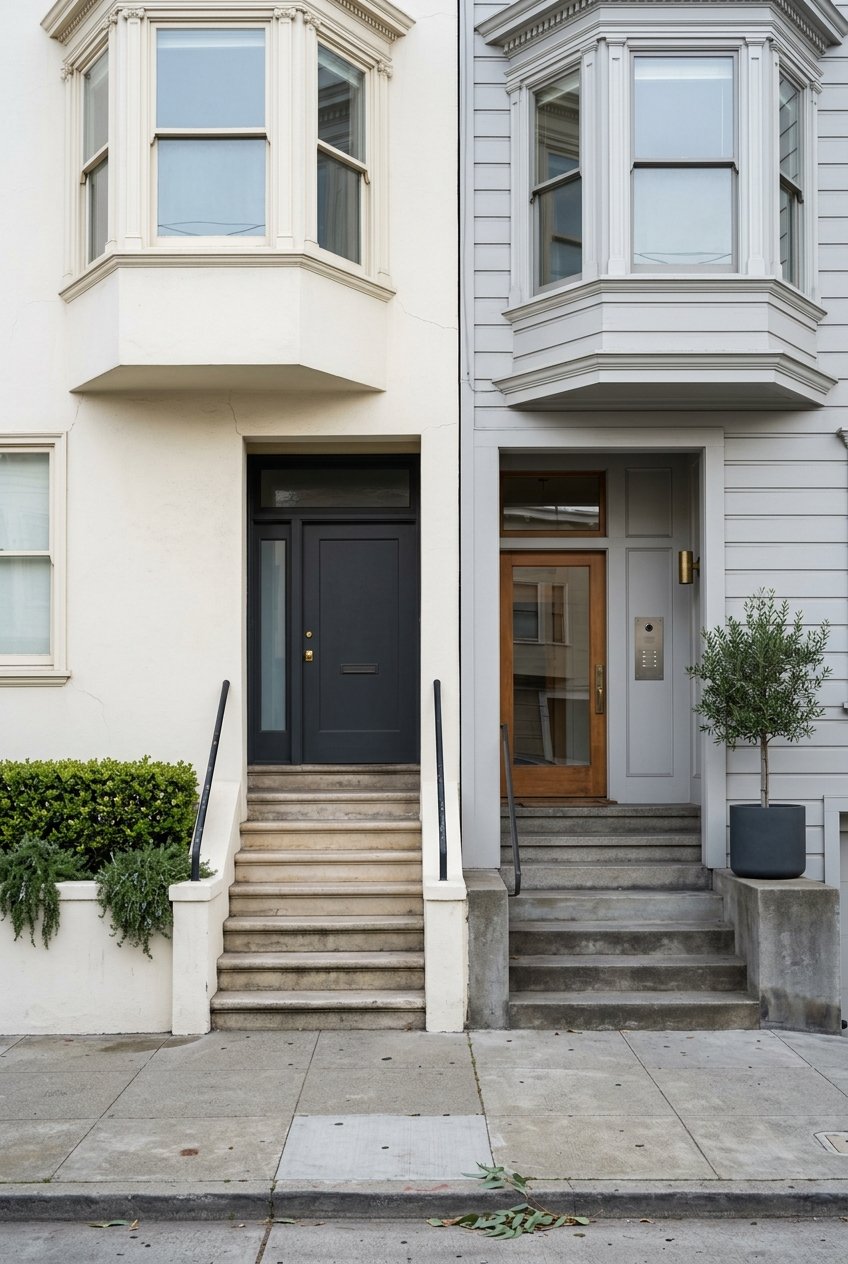
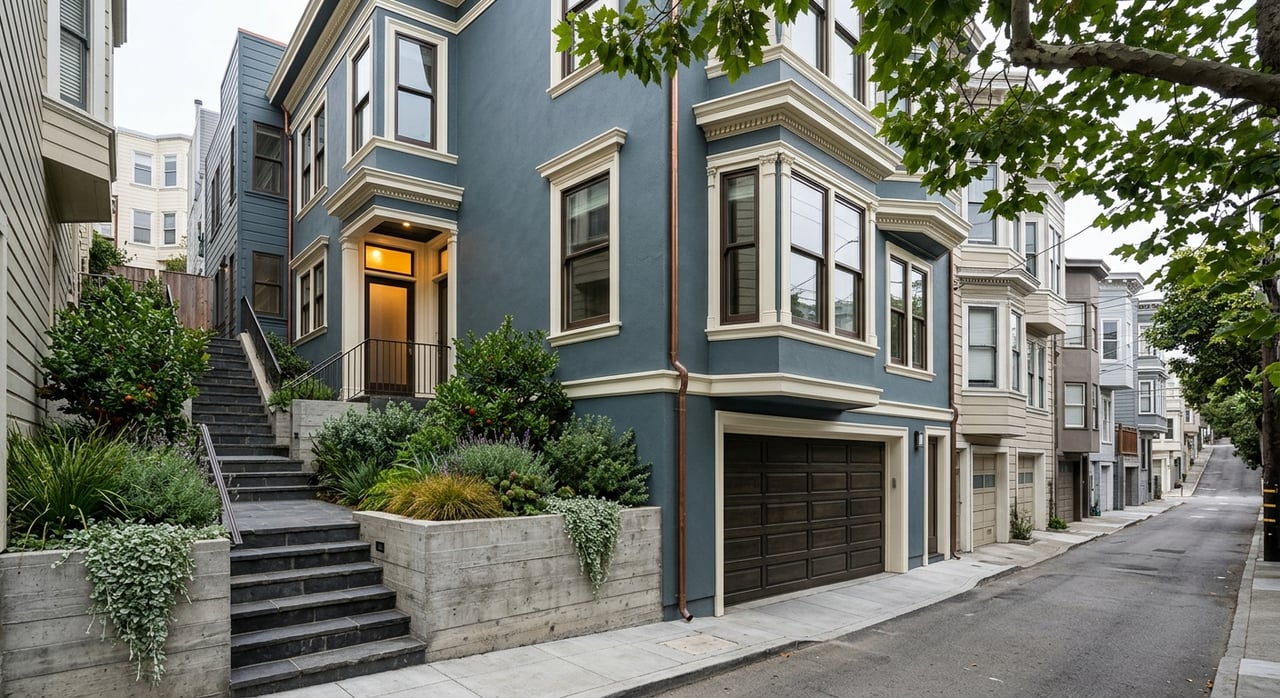
The Richmond’s housing stock is one of its strongest defining features. Western Neighborhoods Project describes a district of Edwardian-era flats, single-family homes, rows of speculative houses, and older Victorian cottages that still appear in some areas.
That variety gives the neighborhood visual interest. Rather than one repeated building type, you see a mix of modest cottages, two-flats, and larger low-rise residential buildings.
San Francisco Planning adds an important point here. While most parcels in District 1 allow four-story buildings, nearly 90 percent of buildings are actually two stories or less. That helps explain why the Richmond often feels more open and residential than people expect.
How the Blocks Can Change
The housing pattern is not exactly the same throughout the neighborhood. Western Neighborhoods Project notes that single-family dwellings were especially common on park-facing streets in the 1910s and 1920s, while multifamily flats become more common moving toward Geary.
That means your experience can shift block by block. Some streets feel especially domestic and quiet, while others feel a little denser and more urban. For buyers, that makes it worth comparing micro-locations instead of thinking about the Richmond as one single housing type.
Architectural Variety
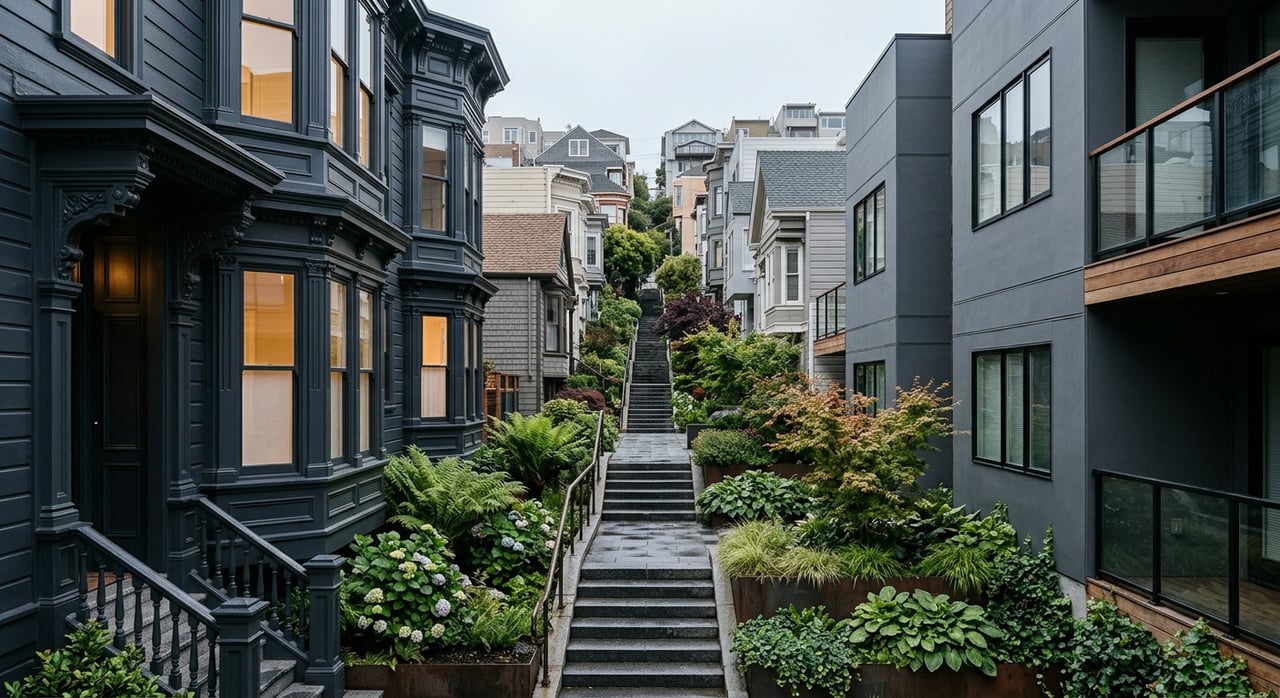
The Richmond is low-rise, but not monotonous. San Francisco Planning points to a mix that includes modest cottages, larger Edwardian flats, and more distinctive pockets such as Presidio Terrace, where Tudor Revival, Mission Revival, Craftsman, and Classical Revival homes appear.
For anyone who values character, this architectural range is part of the appeal. The neighborhood feels established and layered rather than newly built or overly uniform.
Is the Richmond District a Good Fit for You?
If you want easy access to major parks, a cooler coastal setting, and commercial streets that support day-to-day convenience, the Richmond checks a lot of boxes. It is especially appealing if you prefer a lower-rise residential environment over the denser feel of some central neighborhoods.
It can also be a strong fit if you like having options within the same neighborhood. You may prefer the busier energy around Clement, the smaller scale of Balboa, the practicality of Geary, or the quieter residential blocks closer to the park or ocean.
The key is understanding that Richmond District living is about balance. You get city access, but also room to breathe. You get neighborhood business corridors, but also major parkland and shoreline nearby.
If you are weighing where the Richmond fits into your San Francisco home search, working with someone who understands block-by-block differences can make the process far more useful. For tailored buyer or seller guidance, connect with David Poulsen to schedule a free consultation.
FAQs
What is daily life like in the Richmond District, San Francisco?
- Daily life in the Richmond District blends quieter residential side streets with active commercial corridors like Clement, Geary, and Balboa, plus easy access to Golden Gate Park, the Presidio, and Ocean Beach.
What kind of homes are common in the Richmond District?
- The Richmond District is mostly made up of low-rise housing, including single-family homes, Edwardian flats, small apartment buildings, and some older Victorian cottages.
Is the Richmond District walkable for errands and dining?
- The Richmond is generally walkable around its main commercial streets and park edges, though some park-adjacent connections have gaps in sidewalks and crosswalks.
How do Richmond District residents get downtown San Francisco?
- Many residents use Muni bus service, especially the 38 Geary and 5 Fulton, which both operate 24 hours daily according to SFMTA.
Does the Richmond District feel foggy near Ocean Beach?
- Yes, the western side of the neighborhood often feels cooler and breezier, and late spring and summer near Ocean Beach are frequently foggy with temperatures in the 50s.
What makes the Richmond District different from other San Francisco neighborhoods?
- The Richmond stands out for its mix of residential calm, low-rise historic housing, strong neighborhood business corridors, and direct access to major parks and the Pacific coast.