Moving to San Francisco for work often sounds exciting until the housing search and commute math begin. If you are trying to balance access to downtown, the Peninsula, and a neighborhood that feels polished and practical, Mission Bay deserves a close look. This guide will help you understand what kinds of homes you are most likely to find, how commuting works from the neighborhood, and when Mission Bay is the right fit for your relocation goals. Let’s dive in.
Why Mission Bay stands out
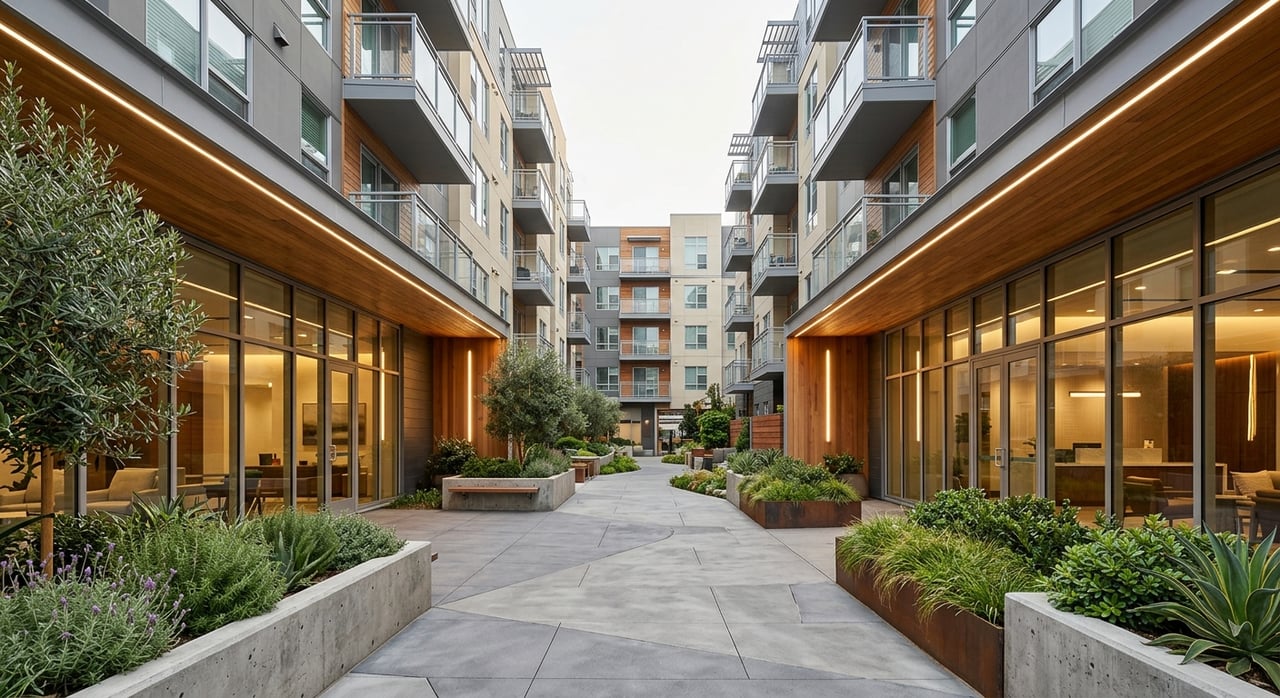
Mission Bay is not a typical older San Francisco neighborhood. It is a planned waterfront district on the city’s southeastern edge, shaped by major redevelopment since the Mission Bay South Redevelopment Plan was approved in 1998.
Since 2000, the neighborhood has added more than 6,000 housing units, including more than 1,500 affordable units, along with more than 24 acres of parks and open space, according to SF.gov’s Mission Bay update. Major anchors in the area include UCSF’s hospitals and medical centers, Chase Center, and the Mission Rock waterfront development.
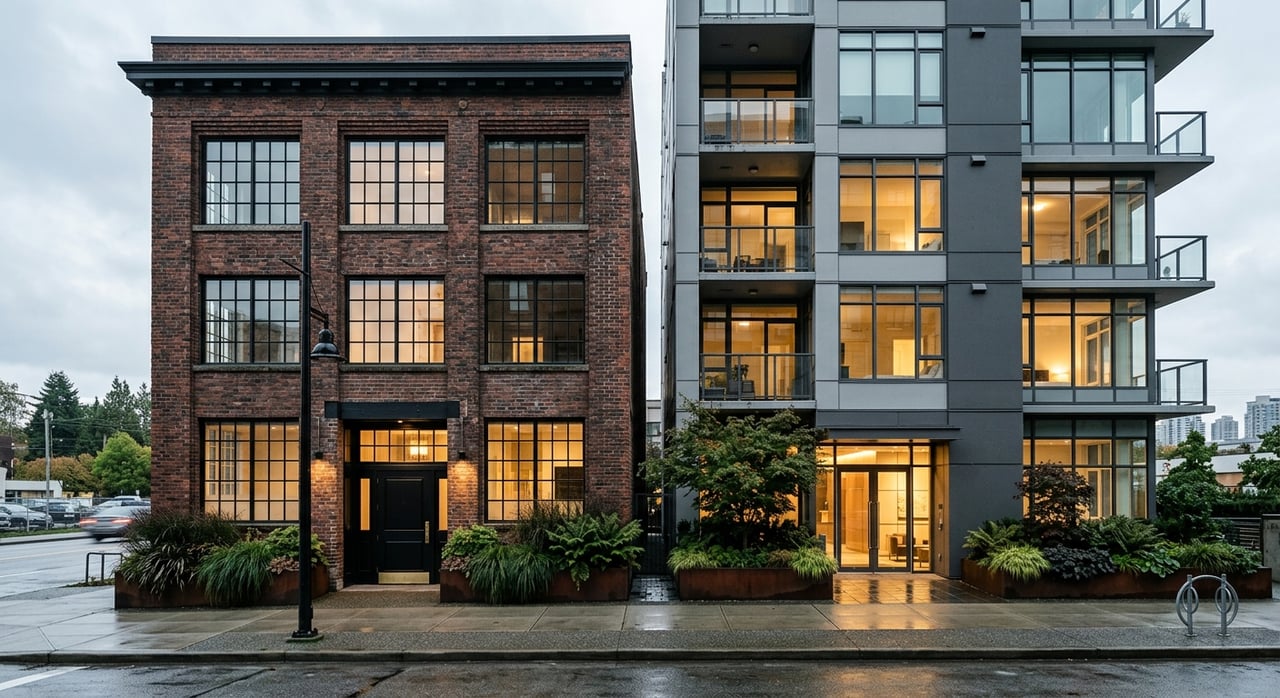
For you as a relocating professional, that usually means a neighborhood built around convenience. Mission Bay is better known for newer housing, transit connections, and proximity to major job centers than for historic architecture or a long-established corner retail grid.
Housing in Mission Bay
Expect condos and apartments
Mission Bay’s housing stock is primarily multifamily. If you are buying, you will likely be looking at condos rather than detached homes.
City housing updates show that new ownership opportunities continue to come online in the neighborhood. In 2025, 400 China Basin Condominiums opened with 148 affordable homes for first-time buyers, which reinforces the neighborhood’s condo-focused identity.
If you are renting, the pattern is similar. Mission Bay continues to see apartment and mixed-income rental development, and city housing notices confirm that rental options remain part of the local housing mix, including first-come, first-served affordable housing opportunities.
What that means for your search
Mission Bay can be a strong match if you want:
- Newer construction
- Multifamily buildings with elevator access and shared amenities
- A more turnkey, lower-maintenance lifestyle
- Proximity to transit and large employment hubs
- A waterfront setting with open space nearby
It may be less ideal if you are hoping for:
- Detached houses
- Classic San Francisco period architecture
- A deeply established neighborhood feel
- A dense small-business retail grid on every few blocks
Affordable options exist, but they are not the whole story
Affordable ownership and rental opportunities are part of Mission Bay’s housing picture, but they do not define the entire market. The broader housing base is still dominated by multifamily buildings and newer development.
That is helpful to know if you are relocating on a timeline. Instead of searching for many different housing types, you can focus early on whether condo living or apartment living fits your needs, budget, and commute priorities.
Commute options from Mission Bay
Muni makes downtown access simple
Mission Bay’s biggest transportation advantage inside San Francisco is the T Third Street line. According to SFMTA’s T Third Street route information, the line serves stops including 4th & King, Mission Rock, UCSF/Chase Center, Yerba Buena/Moscone, Union Square/Market Street, and Chinatown.
SFMTA also notes that the Central Subway gives the Bayshore and Mission Bay area a direct transit link to SoMa, downtown, and Chinatown. For many professionals working in San Francisco, that creates a straightforward transit option without requiring a car for daily commuting.
The city has also built the Mission Bay Loop to improve T Third reliability and turning capacity during peak periods and special events. That matters in a neighborhood where large venues and employment centers can increase travel demand.
Caltrain is the key Peninsula connection
If your job is in South San Francisco, Redwood City, or elsewhere along the Peninsula corridor, Caltrain is the main reason Mission Bay works so well for many relocations. The San Francisco Caltrain station at 4th and King is just next to the Mission Bay area.
Mission Bay TMA materials note that shuttles serve the Caltrain stop at 4th @ Library, and Caltrain service improvements now include faster and more frequent electrified trains. Caltrain reports that 16 stations receive trains every 20 to 15 minutes during peak hours, weekend service runs twice hourly, and express service from San Francisco to San Jose can take under an hour.
That makes Mission Bay especially practical if your office is near a Caltrain stop. It can also work well if your employer provides a shuttle or if your final destination has a manageable last-mile connection.
South San Francisco and Redwood City are realistic commute targets
Mission Bay is often considered by people who want city living without giving up Peninsula job access. That can be a smart balance if you want to stay in San Francisco while working farther south.
Caltrain’s South San Francisco station project page notes that the station is fully accessible and served by SamTrans routes and shuttle connections. Redwood City is also one of the corridor’s key downtown-serving stops, which helps explain why these job centers are common relocation targets from Mission Bay.
Walking, biking, and shuttles fill in the gaps
Mission Bay is not fully car-free, but it can absolutely support a car-light lifestyle. Walk Score rates Mission Bay at 87 for walkability, which aligns with the neighborhood’s mix of transit, housing, and daily services.
Cycling is also a practical option for some commuters. SFMTA says 3rd Street bike improvements are helping connect Mission Bay to SoMa, the Embarcadero and King Street corridor, the Bay Trail, and Oracle Park.
Shuttles add another useful layer. The Mission Bay TMA FAQ page says its shuttles are free, open to anyone traveling between transit hubs and Mission Bay, and currently operate Monday through Friday from 6:00 to 10:30 a.m. and 2:00 to 7:45 p.m. Routes connect with Powell BART, Civic Center, Embarcadero BART, the Transbay Terminal, and Caltrain.
Lifestyle and amenities
Parks and waterfront access
One of Mission Bay’s strongest quality-of-life advantages is open space. SF.gov notes that the neighborhood now has almost 25 acres of new parks and open spaces, which is a major asset for a dense urban district.
A good example is China Basin Park, part of the Mission Rock project. The park includes five acres of open space, Bay Trail connections, bike parking, and active ground-floor retail in the first phase.
For many relocating professionals, that blend of waterfront access and new infrastructure is a big draw. You can get urban convenience without feeling boxed into a purely concrete environment.
A practical live-work setting
Mission Bay’s amenity base is broader than many newer districts because it combines jobs, transit, parks, entertainment, and evolving retail. City materials also note that the neighborhood has added more than 5.5 million square feet of commercial and retail space to date.
That does not mean it feels like a traditional main-street neighborhood. It means you are choosing a district designed around modern urban living, with large anchors and planned growth shaping the day-to-day experience.
Who Mission Bay fits best
Mission Bay is often a strong fit if you are:
- Relocating for a role at UCSF Mission Bay or near Chase Center
- Working in SoMa, downtown San Francisco, or Chinatown and want direct rail access
- Commuting to Peninsula offices along the Caltrain corridor
- Looking for newer condos or apartment buildings
- Prioritizing convenience, open space, and a polished waterfront setting
It may be a weaker fit if your top priority is older San Francisco character or a more layered neighborhood fabric. In that case, comparing nearby areas can help clarify what feels right.
Neighborhoods to compare nearby
Rincon Hill and South Beach
If you want an even denser downtown tower environment, nearby Rincon Hill and South Beach are logical comparisons. These areas tend to feel more directly tied to the downtown skyline and high-rise living pattern.
Dogpatch and Central Waterfront
If you want a mix of historic industrial character and residential use, Dogpatch and the Central Waterfront may offer a different atmosphere. The area is known for a small commercial core around 22nd Street and a more visibly older urban fabric.
Potrero Hill and Showplace Square
If you want a more established residential neighborhood feel with mixed-use activity nearby, Potrero Hill and Showplace Square may also belong on your shortlist. These nearby alternatives can be helpful if you like Mission Bay’s location but want a somewhat different street experience.
The San Francisco Planning Department’s Rincon Hill materials are one source that helps place these east-side districts in context as you compare housing style, setting, and connectivity.
How to decide if Mission Bay works for you
If you are relocating for work, start with three practical questions:
- Do you want newer condo or apartment living?
- Will your commute depend on Muni, Caltrain, biking, or shuttle connections?
- Do you want a waterfront district built for convenience more than historic neighborhood character?
If your answer is yes to most of those questions, Mission Bay may be one of the most efficient places to focus your search. It offers a clear housing profile, strong regional connections, and a lifestyle that works well for many busy professionals.
When you are sorting through relocation options, neighborhood fit matters just as much as square footage or price. If you want help comparing Mission Bay with Dogpatch, Potrero Hill, South Beach, or other San Francisco neighborhoods, David Poulsen offers buyer representation, relocation support, and concierge-level local guidance to help you make a confident move.
FAQs
Is Mission Bay in San Francisco good for Peninsula commuters?
- Yes. Mission Bay has strong access to Caltrain at 4th and King, which makes South San Francisco, Redwood City, and other Peninsula stops more practical, especially if your office is near a station.
What type of housing is most common in Mission Bay for relocating professionals?
- The most common housing types are condos, apartments, and other multifamily buildings. Detached homes are generally not the typical inventory in Mission Bay.
Is Mission Bay a car-free neighborhood in San Francisco?
- No. Mission Bay is better described as car-light. You have access to Muni, Caltrain, shuttles, walking routes, and bike connections, but some commuters may still prefer a car depending on their job location.
How does Mission Bay compare with Dogpatch or South Beach?
- Mission Bay is generally known for newer housing, open space, and transit-oriented planning. South Beach and Rincon Hill lean more toward a dense tower setting, while Dogpatch offers more historic industrial-residential character.
What jobs are easiest to reach from Mission Bay?
- UCSF Mission Bay, Chase Center, SoMa, downtown San Francisco, Chinatown, and offices along the Caltrain corridor are among the most natural commute matches from the neighborhood.