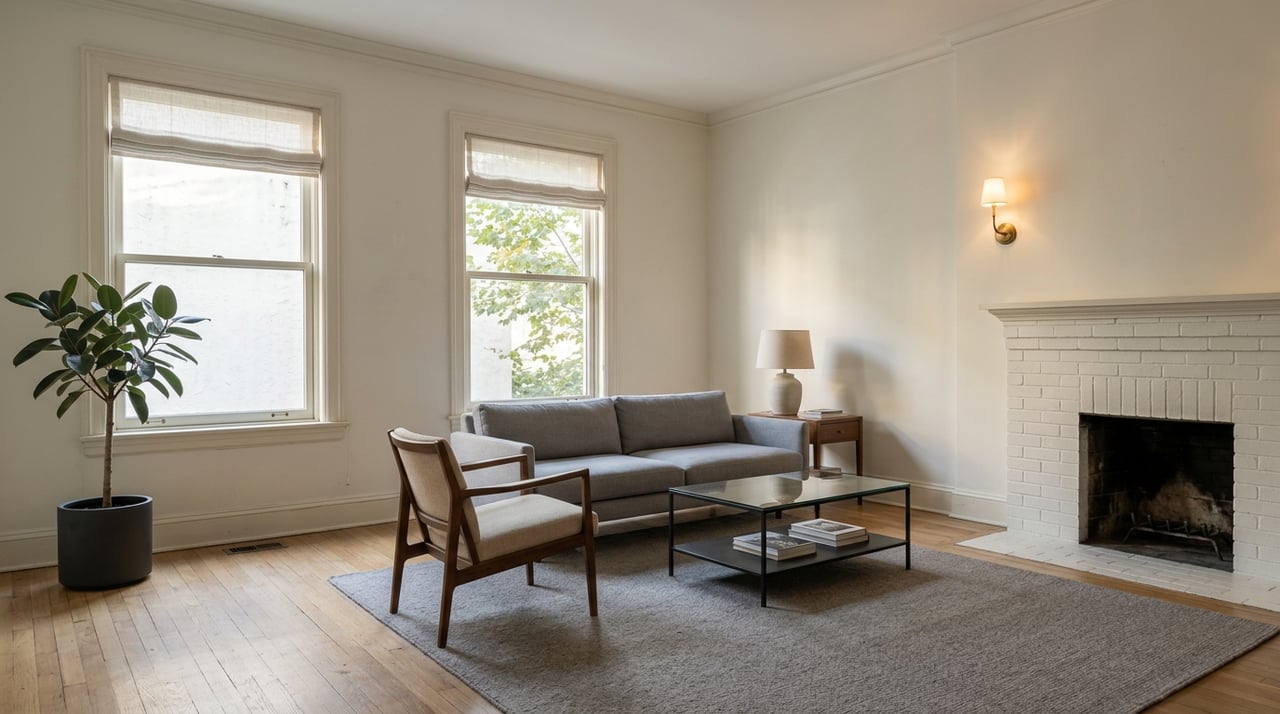
Looking for a condo in Lower Pacific Heights? It can be an appealing choice if you want classic San Francisco character, daily convenience, and a more walkable lifestyle. At the same time, not every building or HOA will offer the same ownership experience. This guide will help you understand what to look for, what questions to ask, and how to evaluate condos in Lower Pacific Heights with more confidence. Let’s dive in.
Why Lower Pacific Heights appeals to condo buyers
Lower Pacific Heights stands out for walkability and everyday convenience. Walk Score rates the neighborhood at 97 for walkability, 74 for transit, and 81 for biking, and notes roughly 128 nearby restaurants, bars, and coffee shops. If you want a home base that supports errands, dining, and getting around without relying heavily on a car, that matters.
The neighborhood also connects well to nearby parts of San Francisco. Walk Score identifies nearby areas including Pacific Heights, Japantown, Western Addition, Cow Hollow, Presidio Heights, and Alamo Square. That gives you access to several distinct commercial corridors and city destinations within a relatively compact area.
Transit access is another practical plus. SFMTA’s Pacific Heights neighborhood page shows service from routes such as the 22 Fillmore, 1 California, 2 Sutter, 24 Divisadero, 43 Masonic, and 47 Van Ness. If you commute, meet clients across the city, or simply want more flexibility in daily travel, these routes can be an important part of your condo search.
Fillmore Street shapes daily life
One of the strongest lifestyle anchors in and around Lower Pacific Heights is the Upper Fillmore corridor. SF Planning describes Upper Fillmore as a six-block stretch of Fillmore Street from Jackson to Bush, lined with two- to four-story commercial and mixed-use buildings, many built between 1900 and the 1930s.
That corridor is intended to serve surrounding neighborhoods and includes bars, restaurants, specialty groceries, and specialty clothing stores. For condo buyers, this means you are not just buying square footage. You are also buying into a neighborhood rhythm that can make everyday life easier and more enjoyable.
Open space also deserves a place on your checklist. In dense urban neighborhoods, nearby parks can make a real difference. Alta Plaza Park offers 12 acres, views, tennis, a playground, and an off-leash dog area, while Lafayette Park includes 11.5 acres within Pacific Heights.
Expect a mix of building types
One of the most important things to understand about buying a condo in Lower Pacific Heights is that the housing stock is not uniform. You are unlikely to find a single “standard” condo product here. The building’s era often shapes everything from the floor plan to the HOA structure to the maintenance outlook.
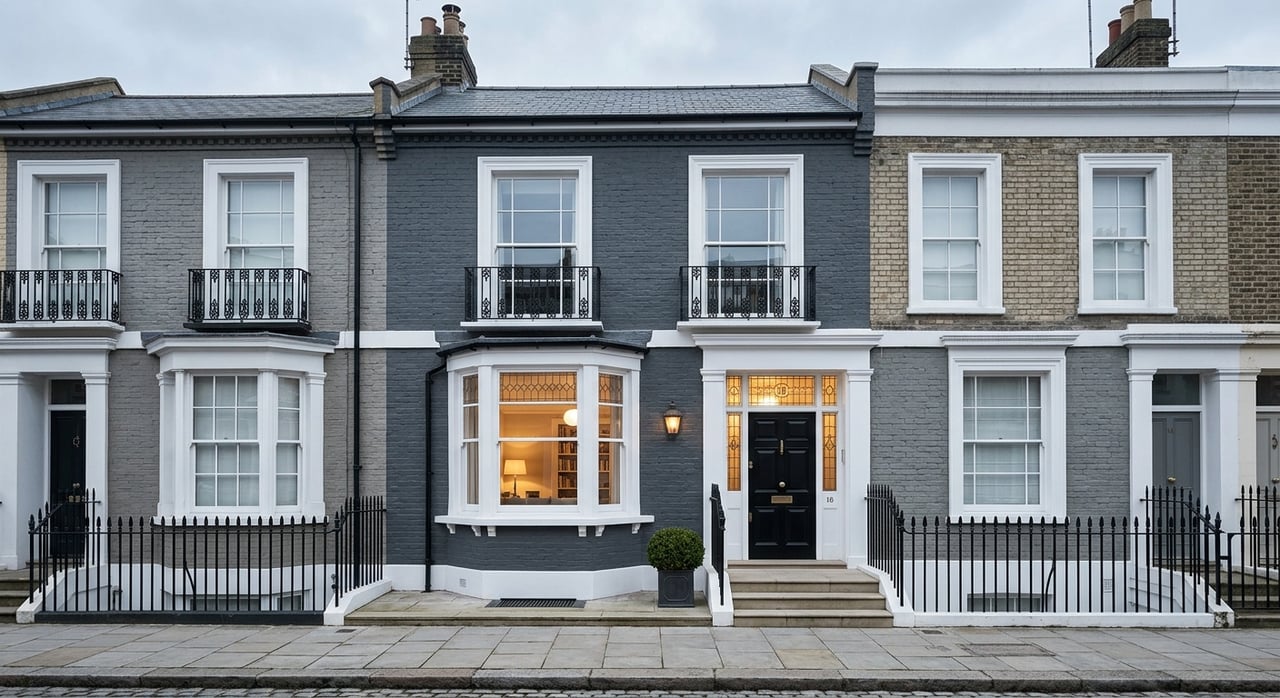
In the nearby Upper Fillmore and Japantown context, SF Planning’s historic materials note that apartment buildings often date from the 1920s onward, with many small and mid-scale buildings showing Edwardian-era and Revival styles from the late 1910s and 1920s. Larger apartment blocks and towers became more common in the mid-20th century, especially along Geary Boulevard.
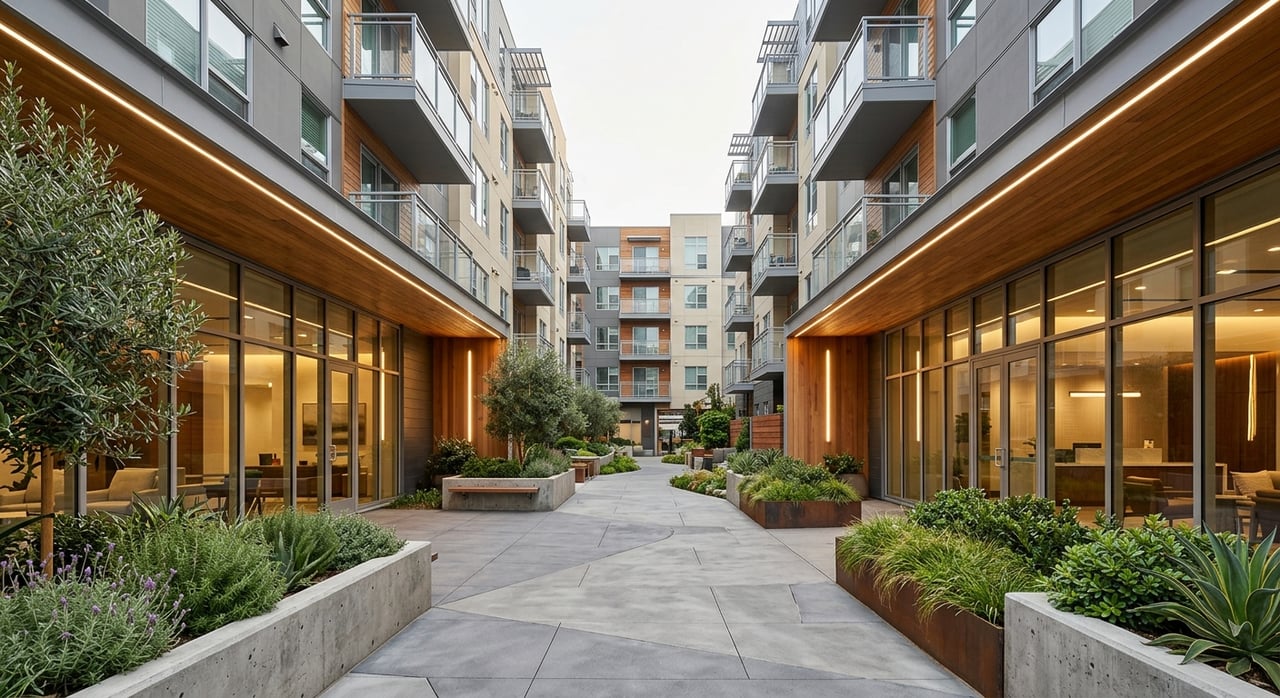
That mix has practical implications for you as a buyer. Some condos may be in older converted flats or small apartment houses. Others may be in newer or rebuilt properties that offer features such as elevators, parking, or more modern interiors.
Hills, stairs, and layout matter
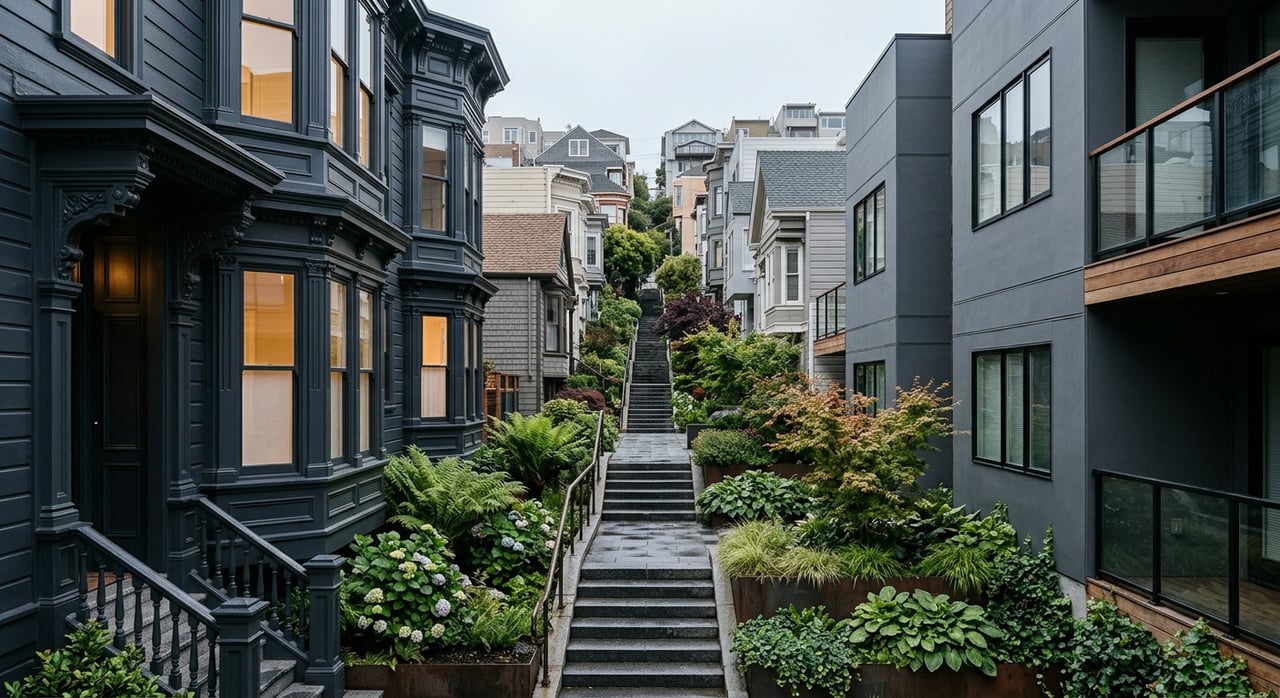
Topography plays a role in the ownership experience too. SF Planning’s Pacific Heights urban design guidance emphasizes steep slopes, view orientation, setbacks, and detailed stairways and entries. In plain terms, some blocks will feel hillier than others, and some buildings may include more stoops, stairs, or split-level access than buyers expect.
That matters when you tour. A charming entry sequence may feel very San Francisco, but it can also affect day-to-day convenience, move-in logistics, and long-term livability. If you are comparing several condos, pay close attention to how you actually enter the building and unit, not just the finishes inside.
Building age should also guide your due diligence. The California Department of Real Estate notes that older or lower-quality apartment conversions may need updates that go beyond cosmetic work, including infrastructure, mechanical, electrical, and plumbing systems. A stylish remodel does not always tell you the whole story.
HOA review is central to condo buying
In California, condo purchases are highly document-driven. That is especially true in older San Francisco buildings, where deferred maintenance or underfunded reserves can affect your costs after closing. The HOA package is not paperwork to skim. It is one of your most important risk-management tools.
The California Department of Real Estate explains that CC&Rs run with the land, HOAs may hire professional management, and boards are responsible for enforcing rules, collecting assessments, paying bills, and handling violations. DRE also states that members should be able to inspect books, records, and meeting minutes.
You should treat the annual budget packet as essential reading. Under California Civil Code section 5300, the annual budget report must include a pro forma operating budget, reserve summary, reserve funding plan, statements about deferred repairs or replacements, possible special assessments or loans, and a summary of the association’s insurance policies.
For condo projects, that report also includes FHA and VA certification status. Even if financing type is not your top concern, these disclosures can help you understand how organized and financially prepared the association is.
Reserves and inspections deserve extra attention
Reserve planning matters in any condo building, but it becomes especially important in older properties. Under California Civil Code section 5550, associations must conduct a reasonably competent and diligent visual inspection of reserve-account major components at least once every three years.
There is also a newer building-safety item to review. Under California Civil Code section 5551, condominium projects must complete visual inspections of exterior elevated elements at least once every nine years, with the first inspection due by January 1, 2025. If an inspected element presents an immediate threat, the association must act quickly and notify code enforcement.
For you, the takeaway is simple: ask whether these inspections have been completed, what they found, and whether any repairs are pending. A balcony, deck, stairway, or walkway issue can affect both your near-term costs and your move-in timeline.
Know what you own and what you share
Not every part of a condo property is owned in the same way. That can create confusion around balconies, patios, parking, and storage unless you confirm the details early. What looks private in a showing may still be governed as common area or exclusive-use common area.
The California Department of Real Estate explains that common area is owned or controlled by the HOA, and that balconies, patios, and parking spaces may be designated as exclusive-use common area. Your rights to use those areas should be spelled out in the deed or governing documents.
This is more than a technical point. It can affect maintenance responsibility, repair timelines, insurance questions, and even whether a particular parking or storage arrangement is truly as secure as it first appears.
Questions to ask before you write an offer
When you are evaluating a condo in Lower Pacific Heights, these questions can help you look beyond the staging and finishes:
- What do the monthly HOA dues cover, such as insurance, water, trash, elevator service, exterior maintenance, reserves, or parking?
- When was the last reserve study, and what major components are nearing the end of their useful life?
- Has the building completed its required exterior elevated elements inspection?
- Are there any planned special assessments, association loans, or unusually high insurance deductibles?
- What is deeded versus exclusive-use common area for parking, storage, balconies, or patios?
- Can you review recent HOA meeting minutes and budget materials?
- If the property is a conversion, what systems have been updated beyond cosmetic finishes?
These questions are grounded in the annual disclosure framework and DRE guidance. They can also help you compare buildings more clearly when two units seem similar on the surface but differ substantially in risk or future cost.
How Lower Pacific Heights compares nearby
If you are deciding between several central San Francisco neighborhoods, Lower Pacific Heights offers a particular balance. Compared with Pacific Heights proper, it often feels more connected to retail and daily errands while still sharing some of the area’s architectural texture and hillside setting.
SF Planning’s Pacific Heights guidance emphasizes steep slopes, bay views, distinguished residences, and Victorian-period character. Around Lower Pacific Heights, that historic setting overlaps more directly with mixed-use buildings and neighborhood-serving storefronts, especially around Fillmore.
Compared with the broader Japantown and Geary corridor, Lower Pacific Heights may feel less shaped by larger mid-century apartment blocks. SF Planning’s Japantown historic context notes that larger apartment towers are especially common along Geary Boulevard, while smaller and mid-scale apartment buildings often date to the 1920s onward.
If your goal is a condo in a dense, walkable setting with historic character, transit access, and strong neighborhood amenities, Lower Pacific Heights can be a compelling fit. You just want to pair that lifestyle appeal with careful review of building age, HOA health, and maintenance exposure.
A smart approach to buying here
Buying a condo in Lower Pacific Heights is partly about location, but it is just as much about the building behind the address. The right unit can offer city convenience, strong character, and a neighborhood feel that is hard to replicate elsewhere in San Francisco. The wrong fit can come with avoidable surprises tied to reserves, inspections, or unclear ownership details.
That is why a careful, document-first approach matters here. If you want help comparing buildings, reviewing condo disclosures, and narrowing in on the right Lower Pacific Heights purchase, David Poulsen offers experienced, local guidance tailored to San Francisco buyers.
FAQs
What makes Lower Pacific Heights attractive for condo buyers?
- Lower Pacific Heights offers strong walkability, transit access, nearby parks, and an active commercial corridor around Fillmore Street, making it appealing if you want a car-light urban lifestyle.
What types of condo buildings are common in Lower Pacific Heights?
- You may find a mix of older converted flats, small apartment houses, boutique mixed-use buildings, and some newer or rebuilt properties with more modern features.
Why is HOA review important when buying a condo in Lower Pacific Heights?
- HOA documents can reveal reserve funding, insurance details, deferred maintenance, planned special assessments, and other building issues that may affect your future costs.
What should buyers ask about condo reserves in Lower Pacific Heights?
- You should ask when the last reserve study or inspection was completed, what major components need work soon, and whether repairs are being deferred.
What does exclusive-use common area mean in a Lower Pacific Heights condo?
- It means an area such as a balcony, patio, or parking space may be reserved for your use, but ownership and maintenance rights are defined by the deed and HOA documents rather than assumed.
How does Lower Pacific Heights compare with Pacific Heights for condo living?
- Lower Pacific Heights often offers a more retail-connected and condo-friendly day-to-day experience, while Pacific Heights is more strongly associated with hillside views, larger residences, and a more formal residential character.