Looking for a San Francisco neighborhood where you can do more on foot and rely less on your car? Nob Hill stands out for exactly that reason. If you are shopping for a home here, understanding the difference between a scenic visit and a practical daily routine can help you buy with more confidence. This guide breaks down what car-light living in Nob Hill really looks like, what to prioritize during your home search, and how to choose a block that fits your day-to-day life. Let’s dive in.
Why Nob Hill works for car-light living
Nob Hill is one of the strongest neighborhoods in San Francisco for a car-light lifestyle. Walk Score rates it 99 for walkability, 96 for transit, and 63 for biking, and identifies it as the 8th most walkable neighborhood in San Francisco. In practical terms, that means many daily errands can be handled without a car.
The neighborhood also puts a lot within easy reach. Walk Score notes about 459 restaurants, bars, and coffee shops in Nob Hill, with about 25 within a 5-minute walk. SF Travel also highlights Nob Hill’s central location and access to nearby destinations like Chinatown, the Financial District, and Fisherman’s Wharf.
That central position matters when you are choosing where to buy. A car-light routine works best when your home is close to the places you use often, whether that means transit, groceries, dining, or a predictable route downtown. Nob Hill offers that kind of access in a way few neighborhoods do.
Transit options in Nob Hill
Transit is one of the biggest reasons buyers consider Nob Hill for car-light living. The neighborhood is served by San Francisco’s cable-car system, including the California Cable Car, Powell-Hyde Cable Car, and Powell-Mason Cable Car. For many buyers, the California line is especially important because it runs right through Nob Hill on California Street.
The Powell lines add another advantage. They connect the neighborhood to Powell & Market, which is the key transfer point for BART at Powell Street Station. If you commute beyond the neighborhood, that connection can make a major difference in your daily routine.
Bus service adds another layer of flexibility. According to SFMTA, the routes most useful for Nob Hill include:
- 1 California
- 38 Geary
- 19 Polk
- 30 Stockton
- 49 Van Ness/Mission
These routes cover major edges of the neighborhood and connect well to downtown-facing corridors. SFMTA’s current route information shows that 38 Geary runs 24 hours daily, while 1 California, 30 Stockton, and 49 Van Ness/Mission offer broad service windows through most of the day and evening.
Best streets to prioritize first
If you are buying with a car-light lifestyle in mind, street selection matters almost as much as the home itself. Based on the transit network, the most practical places to start your search are near California Street, Powell/Market connections, Van Ness, Geary, Polk, Stockton, and Larkin. These are the corridors where cable-car and bus access cluster most clearly.
That does not mean every home off those streets is the right fit. It means those locations often make daily movement easier. If you know you will rely on transit several times a week, being a little closer to one of these routes can save time and effort every day.
This is especially true in a hilly neighborhood like Nob Hill. SF Travel describes Nob Hill as sitting hundreds of feet above the city, and that elevation is part of its identity. The tradeoff is simple: a beautiful central location can still involve steep walks, so the right block can matter more than buyers first expect.
Hills change the daily experience
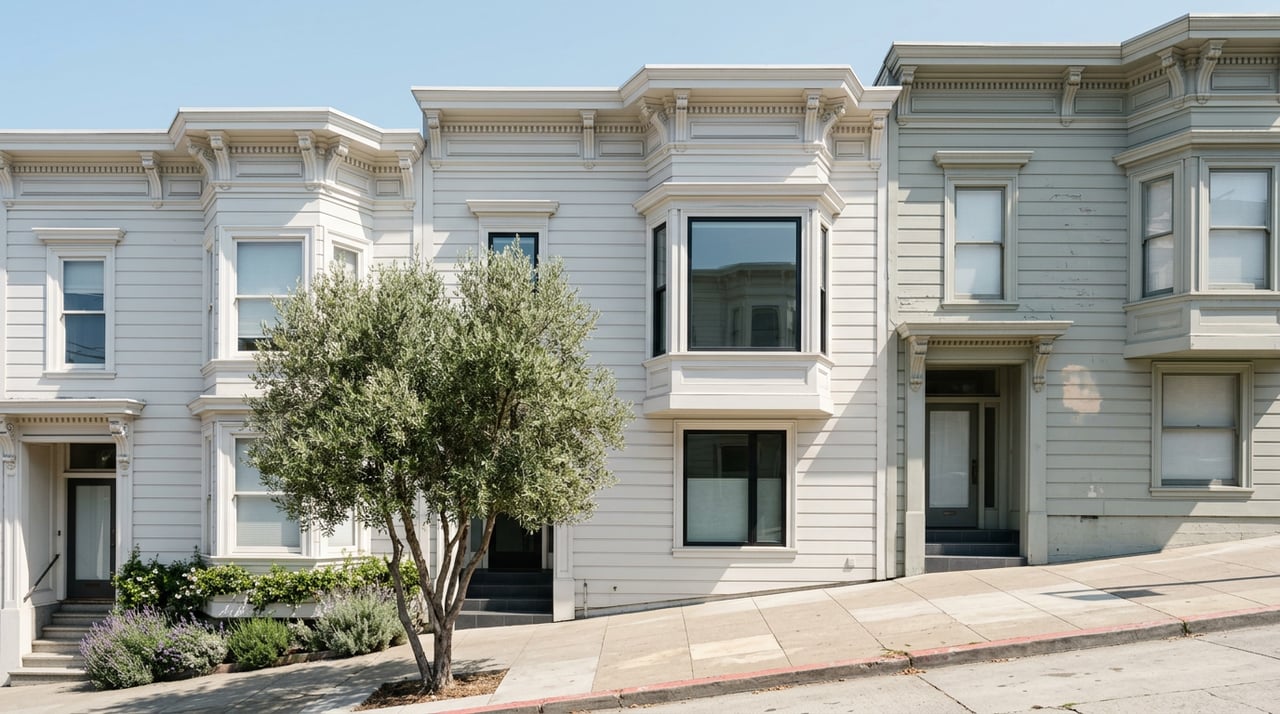
On a map, Nob Hill can look compact and easy to navigate. In person, the slopes can make two similar listings feel very different. A home that is only a few blocks from transit may still feel less convenient if those blocks involve a steeper climb than you want to tackle every day.
That is why car-light living here is not just about being in Nob Hill. It is about matching your routine to the terrain. If you expect to walk to transit, carry groceries, or get around without driving often, the easiest route from your front door matters.
When buyers tour homes in Nob Hill, I recommend thinking through your real habits. Consider how you would get to work, run errands, meet friends, and come home in the evening. A block that looks ideal on paper may feel less practical if the route is steeper or less direct than you prefer.
What to look for in the building
Nob Hill’s housing stock has a direct impact on car-light living. SF Planning describes the Lower Nob Hill Apartment Hotel Historic District as a densely developed area made up almost entirely of three- to seven-story multi-unit residential buildings, with most constructed between 1906 and 1925. Historic structure documentation also notes that many hotel and apartment buildings from that era generally did not include garages or valet parking.
For buyers, that means the building itself deserves close attention. In a neighborhood where many residents live in older multi-unit properties, practical features can shape your day-to-day comfort just as much as square footage or finishes.
Here are some of the details worth checking early:
- Elevator access
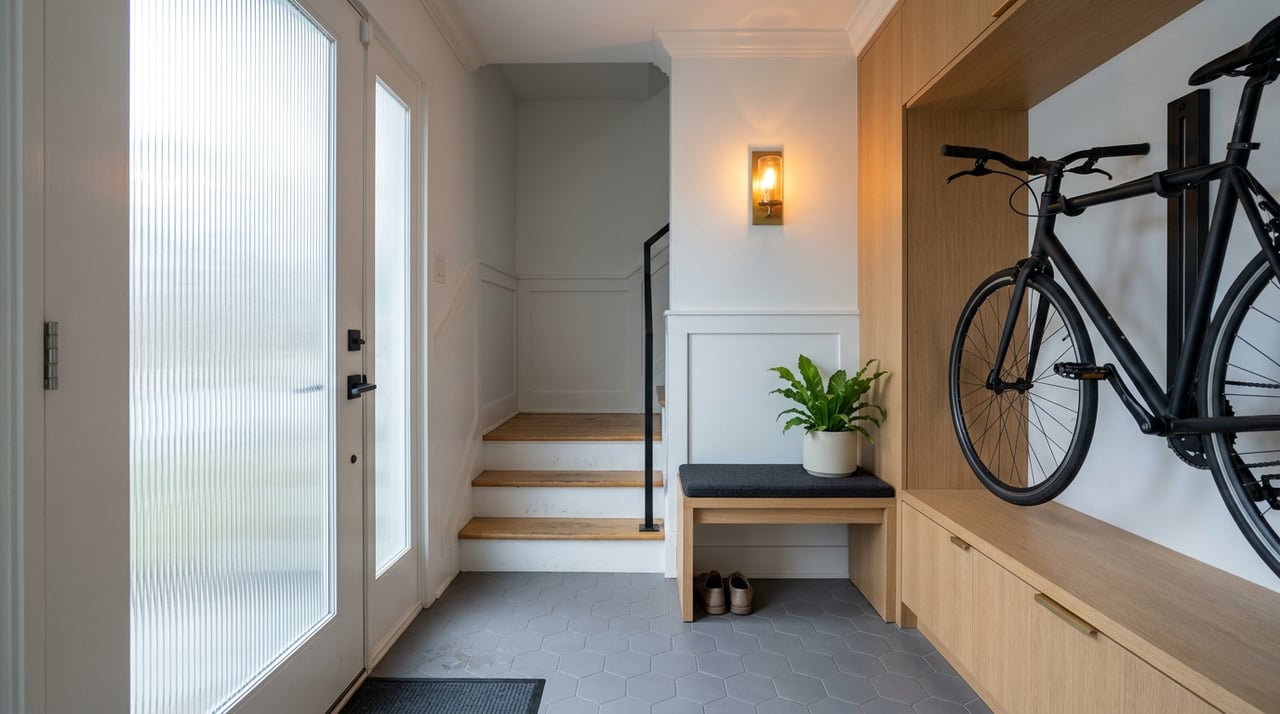
- Bike storage
- Laundry setup
- Package handling
- On-site parking, if any
- Leased parking options nearby, if available
If you plan to own a bike, carry groceries regularly, or receive frequent deliveries, these details can have a real impact on convenience. In older Nob Hill buildings, you should never assume these features are standard.
Parking expectations for buyers who keep a car
Even if you want a car-light lifestyle, you may still want to keep a vehicle. That is common, especially for buyers who leave the city on weekends, visit family often, or want flexibility for work. In Nob Hill, the question is less about whether a car is possible and more about how easy it will be to store.
San Francisco’s General Plan states that the city has no minimum off-street automobile parking requirements citywide and instead uses parking maximums to encourage transit use. It also notes that dense older areas often lack adequate off-street parking. In Nob Hill, that reality is important because many buildings were developed long before modern parking expectations.
If a listing includes a garage space, treat that as a meaningful feature rather than a given. If a property does not include parking, be careful about assuming street parking will be simple. SFMTA’s Residential Parking Permit program governs on-street parking in certain neighborhoods, so buyers who want to keep a car should verify the exact block and rules before making a decision.
How to shop smart for a car-light home
A smart home search in Nob Hill starts with your routine, not just your wish list. Before you fall in love with finishes or views, think about how you actually move through the city. The best purchase is often the one that fits your daily rhythm with the least friction.
A few questions can help you narrow your search:
- How often will you use transit each week?
- Do you want to be near the California cable car or bus lines?
- Are you comfortable with steep walks?
- Do you need an elevator for groceries, strollers, or mobility reasons?
- Will you keep a car, and if so, do you need dedicated parking?
- Would bike storage make daily life easier?
For many buyers, the most car-light-friendly options are buildings closest to stronger transit corridors rather than homes deeper into the steepest interior streets. A garage is helpful, but in Nob Hill it is usually a bonus, not something to count on.
Why this matters for long-term value
Lifestyle fit matters when you buy in San Francisco. A home that supports your routine well can feel easier to enjoy from day one, and buyers often recognize those same practical advantages later. In Nob Hill, convenience is not just about address prestige. It is also about how well the block, building, and transit access work together.
That is one reason local, block-level guidance matters here. Two homes in the same neighborhood can offer very different daily experiences depending on slope, route access, and building features. Buying well in Nob Hill means looking beyond the listing photos and understanding how the location lives.
If you are weighing Nob Hill against other San Francisco neighborhoods, it helps to look closely at your daily patterns and priorities. When you want a home that supports a car-light lifestyle without giving up central-city convenience, Nob Hill is often a very compelling option.
If you want help comparing buildings, transit access, and block-by-block tradeoffs in Nob Hill, David Poulsen offers thoughtful, locally informed buyer representation built around how you actually want to live.
FAQs
Can you live car-free in Nob Hill as a homebuyer?
- Yes. For many households, Nob Hill supports car-free living thanks to its 99 Walk Score, 96 Transit Score, and strong cable-car and bus access.
Which Nob Hill streets are best for car-light living?
- The strongest places to start are near California Street, Powell/Market connections, Van Ness, Geary, Polk, Stockton, and Larkin because transit access is clustered around those corridors.
What should buyers check in a Nob Hill building?
- Focus on practical features like elevator access, bike storage, laundry, package handling, and whether the property includes on-site parking.
Is parking easy in Nob Hill if you keep a car?
- Parking should not be assumed. Many older buildings lack garages, and on-street parking rules can vary by block under SFMTA’s Residential Parking Permit program.
Why do hills matter when buying in Nob Hill?
- Nob Hill’s elevation means daily routes can involve steep climbs, so the convenience of a home often depends on both the block and its access to nearby transit corridors.