If you are thinking about buying newer construction in Mission Bay condos, it helps to know one thing right away: Mission Bay is not one-size-fits-all. Two buildings may look similar online, yet feel very different once you factor in block location, nearby uses, HOA health, and waterfront exposure. If you want to buy with fewer surprises and more confidence, this guide will help you focus on what matters most in Mission Bay. Let’s dive in.
Why Mission Bay Feels Different Building to Building
Mission Bay is a large 303-acre redevelopment area between the Bay and I-280, shaped by separate Mission Bay North and Mission Bay South plans. Mission Bay North is a 65-acre mixed-income, transit-oriented district with housing and retail, while Mission Bay South is a 238-acre mixed-use district that includes housing, UCSF, office and biotech space, hotel uses, and Chase Center. In practical terms, that means your condo search here is really a search across several micro-locations.
That matters because block selection can be just as important as building selection. A condo near transit or event venues may offer strong convenience, while a home near parks, Mission Creek, or interior courtyards may feel calmer day to day. Mission Bay is master-planned, but your living experience will still depend heavily on what sits right outside your front door.
What Newer Construction Buyers Compare
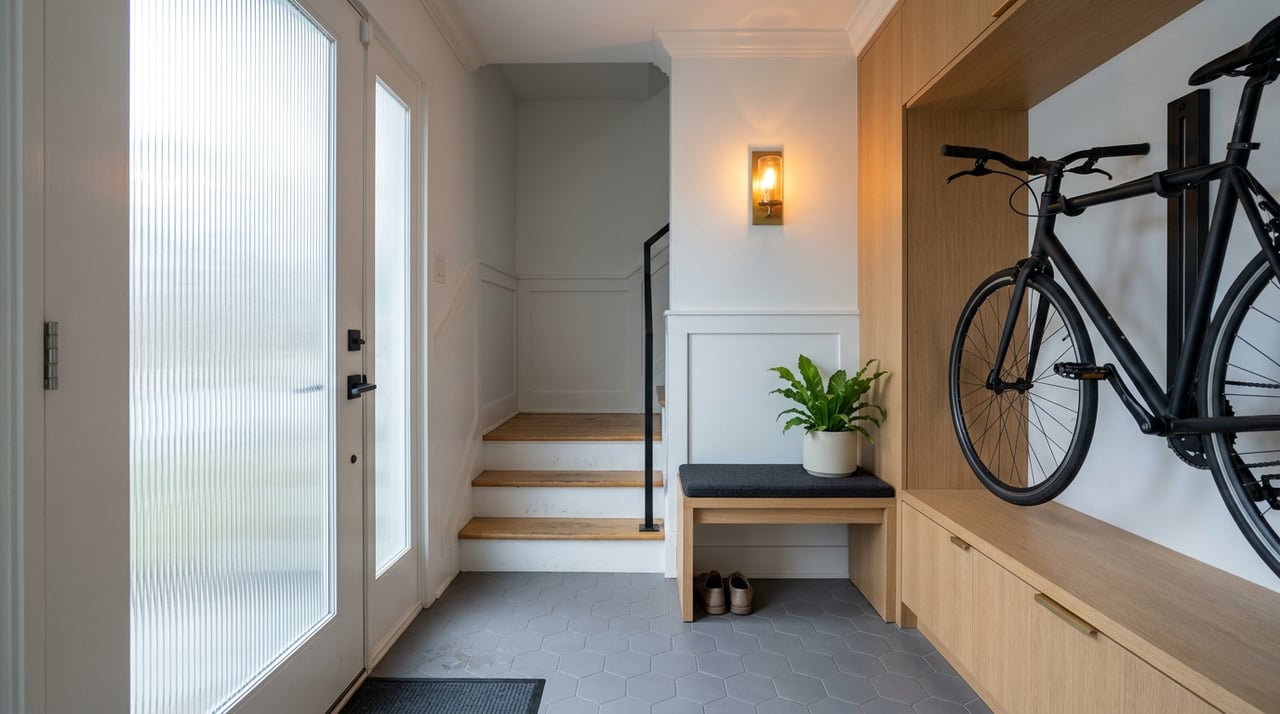
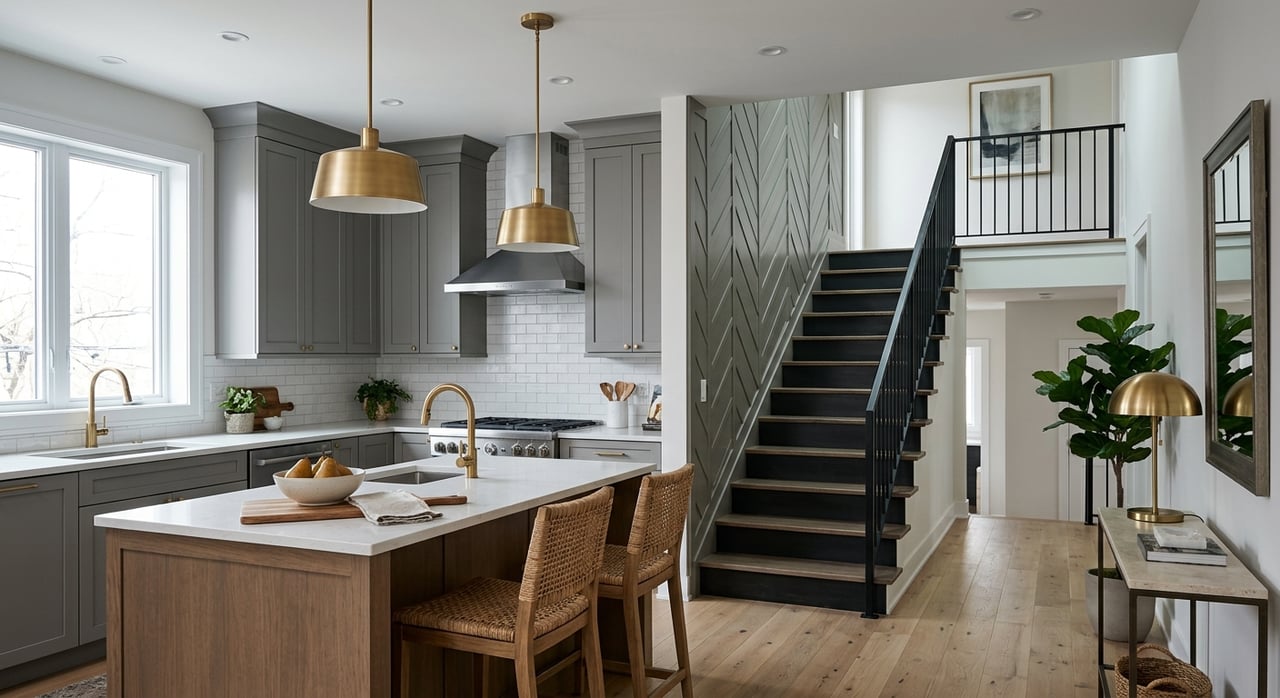
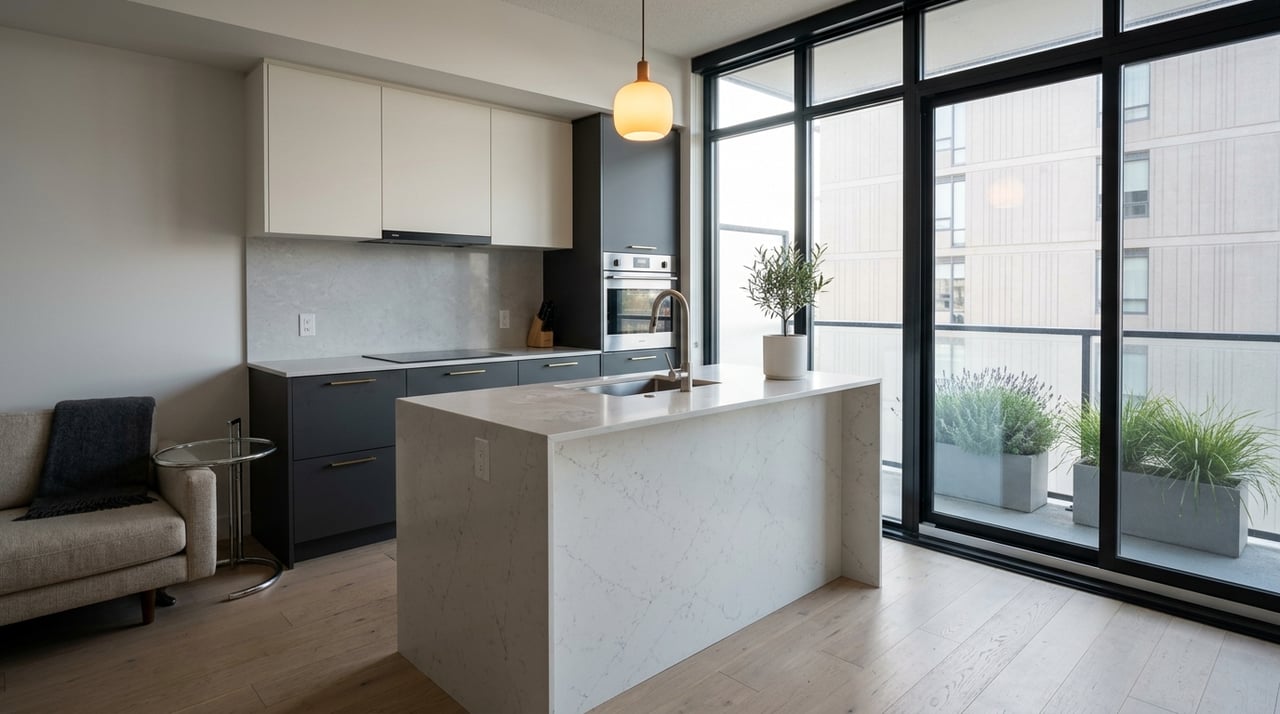
In Mission Bay, buyers often compare amenities and finishes as closely as they compare square footage. Current condo listings in the neighborhood show features such as fitness centers, barbecue areas, in-unit laundry, private balconies, corner layouts, flex rooms, quartz countertops, and premium appliances. For many buyers, that means the decision comes down to lifestyle fit, not just price per square foot.
Recent market snapshots also show why details matter. Mission Bay condos for sale were listed around a median price of about $1.1 million, while the neighborhood’s broader three-month sales snapshot showed a median sale price of $1.324 million and a median 21 days on market. In a market like that, well-positioned units with attractive features can stand out quickly.
The neighborhood is also highly connected. Mission Bay carries an 87 Walk Score, 83 Transit Score, and 93 Bike Score. If you want an urban condo lifestyle with access to transit, open space, and major employers or destinations, that mix is a big part of the appeal.
How Block Location Shapes Daily Life
Transit and event exposure
Some Mission Bay blocks are naturally busier than others. Areas near Caltrain, the light-rail corridor, Chase Center, or Oracle Park can feel more active and more sensitive to event-day traffic and crowds. The Mission Bay TMA survey found that 64% of respondents say their commute is longer or they avoid commuting on special-event days.
That does not make those blocks better or worse. It simply means you should match the location to your lifestyle. If you want maximum access and energy, a busier block may suit you. If you prefer a quieter routine, you may want to focus on interior blocks or buildings with stronger separation from those activity centers.
Parks and waterfront orientation
Open space is one of Mission Bay’s biggest advantages. Mission Bay North includes 6.5 acres of parks and open spaces, and Mission Bay South includes 34 acres at full build-out. Bayfront Park, a 5.4-acre waterfront park that opened in 2024, adds to an open-space network of more than 40 acres.
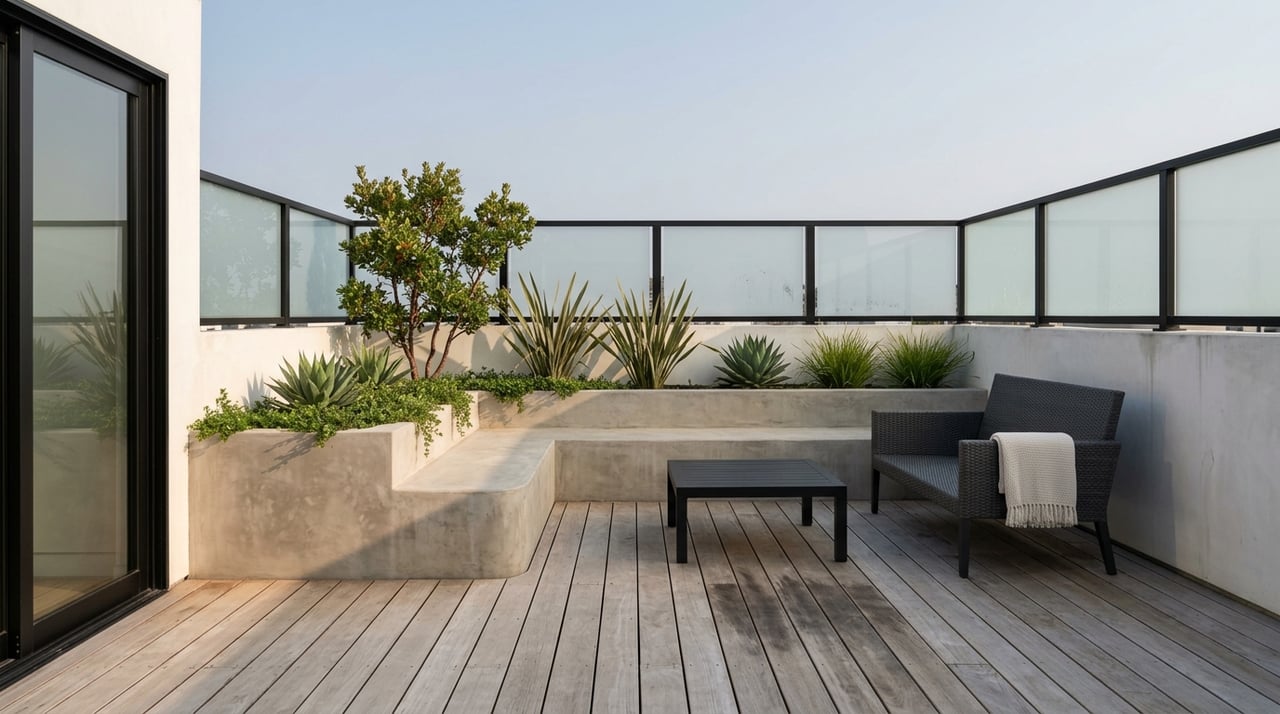
For buyers, this means some blocks may offer a more park-oriented or waterfront feel than others. A home near open space can change your day-to-day experience, from morning walks to how much visual breathing room you feel from your windows or balcony. In Mission Bay, that can be a real quality-of-life difference.
What to Check Inside the Unit
Newer construction can photograph beautifully, but photos do not tell you everything. In Mission Bay especially, buildings can look similar online while differing in the details that affect comfort and long-term satisfaction. That is why a close in-person review matters.
When you tour a condo, pay attention to fit-and-finish items such as:
- Cabinet alignment
- Flooring transitions
- Countertop seams
- Paint and trim quality
- Window and door operation
- Balcony waterproofing
- HVAC noise
- Storage layout
- Acoustic separation between units
These may sound small, but they can have a major impact on how a home feels after move-in. In a newer condo, polished finishes are part of the value, so it is worth checking whether the execution matches the price point.
Why HOA Review Is So Important
What California requires sellers to provide
For California condo purchases in common-interest developments, sellers must provide key governing documents and association disclosures before closing or contract. Under California Civil Code 4525, that package includes items such as governing documents, current regular and special assessments and fees, rental or leasing prohibition statements, defect disclosures, the latest required association information, and the most recent inspection report.
California Civil Code 5300 also requires an annual budget report with a pro forma operating budget and a summary of reserves. Reserve summaries and reserve-funding disclosure forms are governed by Sections 5565 and 5570. For you as a buyer, these disclosures help show how the HOA is operating today and how prepared it may be for future costs.
The HOA questions that matter most
In Mission Bay, some of the most important HOA questions are straightforward:
- Are reserves adequate?
- Is any special assessment planned or being discussed?
- Is there pending litigation?
- Is there unresolved builder warranty work?
- What exactly do monthly dues cover?
- Are there rental restrictions?
These questions matter in any condo purchase, but they are especially important in newer construction where systems, common areas, and builder-related issues may still be working through early ownership years. A building with attractive amenities can carry different financial realities behind the scenes.
Builder Warranties and Defect Timelines
For newer construction in California, Civil Code 900 requires a minimum one-year express written limited warranty for fit-and-finish items such as cabinets, mirrors, flooring, walls, countertops, paint, and trim. That gives buyers a useful framework when reviewing how recently a building was completed and whether warranty work has already been resolved.
Construction-defect claims also move through a prelitigation process under Section 910, and the general outer time limit is 10 years after substantial completion under Section 941. You do not need to become a legal expert, but you should understand whether a building has any open warranty-related issues and how those issues are being addressed. In practical terms, that can affect both your risk profile and your resale picture.
Waterfront Risk Should Be Part of Your Comparison
Mission Bay’s waterfront setting is part of its appeal, but it also brings real questions for buyers to review carefully. The Port of San Francisco says the Mission Creek and Mission Bay area faces urgent seismic risks and increasing flood risks from sea-level rise. The area was once marsh and shallow bay before being filled, which contributes to liquefaction concerns during earthquakes.
San Francisco Planning says sea levels around San Francisco Bay may rise 3 to 6 feet or more by the end of this century. For a buyer, this makes building-specific due diligence especially important. You will want to look closely at flood exposure, drainage, garage and storage placement, backup power, and insurance-related questions, especially when comparing bayfront properties with more interior blocks.
What the Resale Market Suggests
Mission Bay is not just a new-build district. It is an active resale market where pricing and demand can vary meaningfully by building and unit. Recent market data showed a median sale price of $1.324 million, 21 median days on market, and average sale prices about 1% above list, with hot homes selling for about 2% above list.
That suggests buyers should be prepared when a strong listing comes up. Units with desirable views, parking, solid amenities, and favorable block locations may still move quickly. At the same time, because listing counts can be relatively low, it is wise to avoid broad assumptions and instead evaluate each building on its own merits.
A Smart Mission Bay Offer Checklist
Before you write an offer on a newer Mission Bay condo, it helps to run through a focused checklist. This can keep you from getting distracted by sleek finishes alone.
Ask these questions:
- Which block and adjacent uses am I buying into?
- How does the area feel on normal days and on game or concert days?
- What do the HOA dues cover?
- Is there a current reserve study?
- Are any special assessments pending or being considered?
- Are there rental restrictions?
- Is any builder warranty work still unresolved?
- Where are the parking, storage, EV charging, and trash rooms located?
- How exposed is the building to waterfront drainage or flood concerns?
A careful checklist can help you compare condos in a more useful way. In Mission Bay, that often leads to better decisions than relying only on finishes, staging, or amenities.
Buying Newer Construction With Confidence
The best Mission Bay condo purchases usually come from looking beyond the brochure. Yes, amenities, finishes, and views matter. But in this neighborhood, the smarter edge often comes from understanding the block, the HOA, the warranty story, and the building’s exposure to event activity or waterfront risk.
If you want a polished, design-forward condo in one of San Francisco’s most modern neighborhoods, Mission Bay can offer strong options. The key is knowing how to separate similar-looking listings and identify the one that truly fits your priorities. If you want experienced, local guidance comparing Mission Bay buildings block by block, reach out to David Poulsen to schedule a free consultation.
FAQs
What makes Mission Bay condos different from one another?
- Mission Bay condos vary by block location, nearby uses, amenities, finishes, HOA strength, and exposure to transit, events, parks, or the waterfront.
What should you review in a newer construction Mission Bay condo?
- You should closely inspect fit-and-finish details like flooring, cabinets, seams, paint, doors, windows, balcony waterproofing, HVAC noise, storage, and sound separation.
What HOA documents should you expect in a California condo purchase?
- Sellers are required to provide key association disclosures, including governing documents, assessments and fees, rental restriction statements, defect disclosures, budget information, reserve summaries, and the most recent inspection report.
What are the biggest HOA questions for Mission Bay condo buyers?
- Buyers should ask about reserves, special assessments, pending litigation, unresolved warranty work, rental restrictions, and exactly what the monthly dues cover.
How do Chase Center and transit affect Mission Bay condo living?
- Blocks near major transit routes and event venues can feel busier and may have longer or less convenient commutes on special-event days.
What waterfront risks should Mission Bay condo buyers consider?
- Buyers should pay attention to seismic and flood risk, liquefaction concerns, drainage, storage and garage placement, backup power, and insurance-related questions when comparing buildings.
How competitive is the Mission Bay condo market?
- Recent market snapshots show a median sale price of $1.324 million, median 21 days on market, and average sale prices about 1% above list, with some hot homes selling higher.
Is newer construction in Mission Bay always the best choice?
- Not necessarily. A newer building can offer strong amenities and finishes, but the right choice depends on the specific block, HOA health, warranty status, and how the unit fits your daily lifestyle.