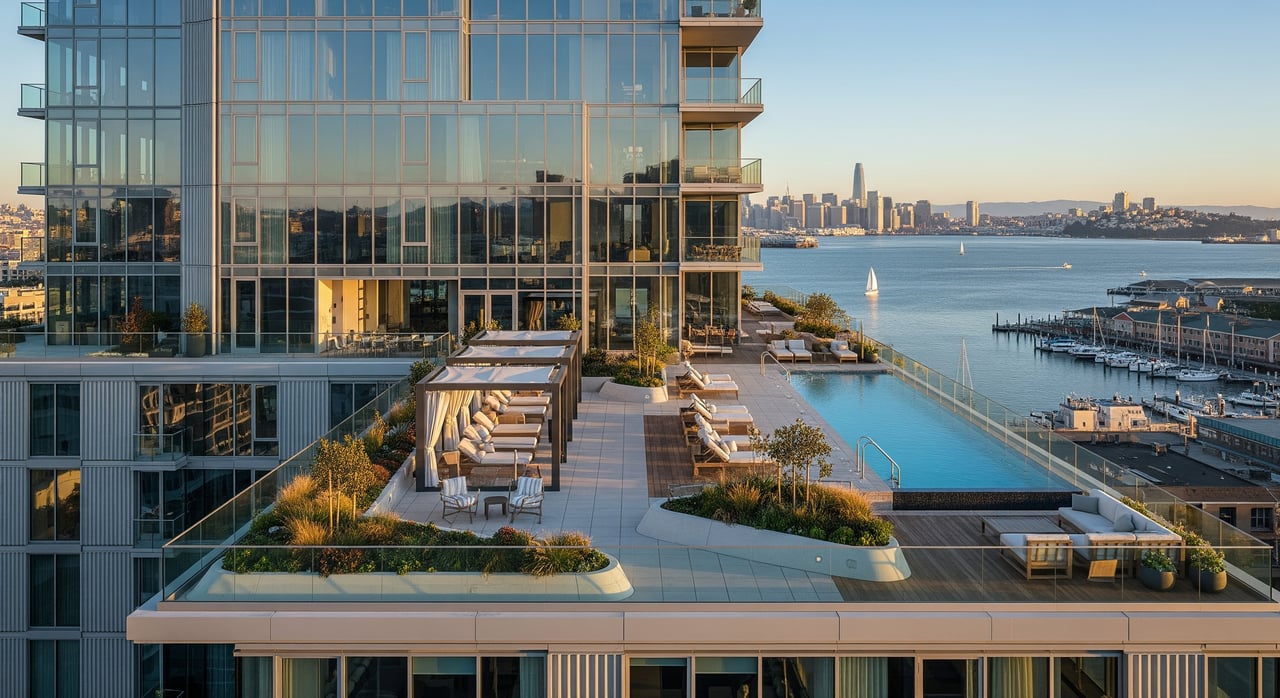
Considering a Mission Bay condo but not sure how the buildings really differ? Many appear similar at first glance, yet your day-to-day experience can change a lot based on HOA services, transit access, amenity mix, and building governance. You deserve a clear way to compare options without risking surprises after you move in. In this guide, you’ll learn what to evaluate, which documents to request, and how to tour buildings so you can choose the right fit with confidence.
Let’s dive in.
Mission Bay snapshot
Mission Bay is one of San Francisco’s newer residential districts, shaped by a master plan and anchored by the UCSF Mission Bay campus and mixed uses like biotech, retail, and entertainment. Newer mid- and high-rise buildings offer contemporary layouts, modern systems, and lots of glass for light and views. For background on the neighborhood’s planning and growth, review the San Francisco Planning Department’s Mission Bay overview in the Mission Bay planning documents.
Transit and active transport are big advantages here. The Muni T Third Street light rail serves the neighborhood and ties into the Market Street network and downtown; see the T Third route for stops and service patterns. For South Bay and Peninsula commuters, Caltrain’s San Francisco terminal at 4th & King is close by; check Caltrain for schedules and station details. The area’s newer streetscape design supports walking and biking, which many residents use for everyday trips.
UCSF, biotech, the Chase Center, and newer housing stock drive demand. To understand why the location matters to many residents and employees, you can review UCSF’s campus context on the UCSF Mission Bay page.
Compare the right things first
When you put buildings side by side, use a consistent checklist. Focus on the categories below to avoid surprises later and to make fair, apples-to-apples tradeoffs.
Commute and access
- Walk time to the nearest T Third stop and to Caltrain at 4th & King.
- Late-night and peak service if you work shifts at UCSF or in biotech labs.
- Bike storage capacity, security, and any e-bike charging options.
- Parking type: deeded, assigned, or monthly license. Ask about EV charging readiness.
Amenities and on-site services
- Lobby and security: staffed front desk, package room, controlled entry.
- Fitness: small fitness rooms vs. full cardio and weight studios; any yoga space.
- Outdoor spaces: roof decks, terraces, BBQs, and gardens you can actually use.
- Shared work areas: business center, reservable meeting rooms, or coworking rooms.
- Pet features: dog wash or dog run; verify pet rules in the CC&Rs.
- Premium services: 24/7 concierge, valet, guest suites, or on-site retail that adds convenience.
Remember that pools and spas are less common in San Francisco and appear mostly in larger luxury developments. If a pool matters, confirm its size, hours, and upkeep policies.
Parking, storage, and bikes
- Garage details: deeded spaces vs. unassigned spots, guest parking, and circulation.
- Storage: deeded lockers or rentable cages, and where they are located.
- Bike rooms: how many bikes the building can accommodate and how secure the space feels.
HOA dues and governance
- What the monthly dues cover: operations, staffing, utilities, insurance, and reserves.
- Reserve contributions and adequacy based on the reserve study.
- Rules that affect your lifestyle and resale flexibility: rental caps, subletting, pet limits, and short-term rental policies.
- On-site vs. remote management and typical response times for repairs.
Unit layout and livability
- Typical floorplans: from studios and 1-bedrooms to 2- and 3-bedroom options and penthouses.
- Footprint and volume: actual square footage, ceiling height, and storage.
- Kitchen style: open vs. compartmentalized layouts.
- In-unit laundry and HVAC type.
- Private outdoor space and view orientation: water, downtown, or courtyard.
- Sound transmission: ask about construction type and any available STC/IIC ratings.
How HOA dues really work
Monthly HOA dues vary by building because of staffing, services, and common-area upkeep. A front desk, valet, robust fitness center, and high-touch services almost always translate to higher monthly dues. Buildings with fewer amenities tend to carry lower dues, but you give up some convenience.
What dues typically include:
- Operations and staffing such as concierge, janitorial, and management.
- Building insurance on common areas and the master policy.
- Utilities covered by the association, often common area electricity, water, gas, and trash.
- Contributions to reserves for major projects like roofs, facades, and elevators.
Documents to request before you compare dues:
- Current HOA budget and last year’s budget for a trend check.
- Most recent reserve study and current reserve fund balance.
- Minutes from the last 12 to 24 months of HOA meetings for insights on projects and issues.
- CC&Rs and bylaws for rules on pets, rentals, and short-term stays.
- Insurance summary for the master policy and owner obligations.
- Any litigation disclosures and notices of planned or recent special assessments.
For a primer on reserve planning and association best practices, review the Community Associations Institute resources.
Red flags that deserve extra scrutiny:
- Low reserve balance compared to the reserve study recommendations.
- Recent or recurring special assessments.
- Pending litigation involving construction defects or seismic issues.
- Frequent management turnover or unusual restrictions in the CC&Rs.
Tour like a pro: what to inspect
Use this checklist on showings and building walk-throughs. It helps you compare real-world livability, not just brochure claims.
- Lobby and security: observe staffing, package handling, and overall cleanliness.
- Fitness room: equipment condition and posted hours.
- Elevators: number of cars and wait times during peak hours.
- Garbage and recycling rooms: cleanliness and pickup frequency.
- Bicycle storage: location, ease of access, and perceived security.
- Garage: layout, lighting, and signage for EV charging if available.
- Outdoor spaces: size, usability, wind exposure, and seating.
- Sound levels: visit at different times to gauge street, rail, or event noise.
- Water pressure and hot water consistency; ask about any recent complaints.
- Windows and seals: check for condensation, drafts, or noise leakage.
- Signs of water intrusion or patching, and any persistent odors or mold.
Questions to ask the listing agent or HOA manager:
- Exact dues for comparable units and what they include.
- Dues history and any planned increases.
- Current reserve balance and date of the last reserve study.
- Any pending assessments or litigation.
- Rental and subletting rules, including short-term policies.
- Pet restrictions and any deposits or fees.
- Guest parking options and policies.
- Staff hours and after-hours response protocols.
- Maintenance schedules for big-ticket items like elevators and roofs.
- Parking assignments and how transfers work on resale.
Build a fair side-by-side comparison
To make a truly fair shortlist, compare the same unit type across buildings. For example, choose a typical 1-bedroom in each building, then apply the fields below.
- Basic facts: address, year built, number of units, building type, developer or architect.
- Transit and access: walk times to the nearest T Third stop and to Caltrain; nearby bike lanes.
- Parking and storage: deeded or assigned parking, guest parking, storage lockers, and bike facilities.
- Amenities and services: concierge, package room, fitness, roof deck, pool, dog run, guest suites, coworking, on-site retail.
- HOA and financials: current dues range for the unit type, what dues cover, reserve status, and any known or upcoming assessments.
- Unit characteristics: finishes, in-unit laundry, HVAC, window type, balcony or deck.
- Governance and rules: rental caps, short-term restrictions, pet policy highlights, and parking rules.
- Risks and positives: recent capital projects, known noise sources like stadium events or 3rd Street traffic, nearby construction, or litigation history.
- Management details: on-site manager or remote, and the management company.
- Suggested buyer fit: commuter, investor, downsizer, or remote worker.
Score what matters to you
A simple scoring framework keeps the decision clear. Adjust the weights to match your priorities.
- Commute and transit: 25 percent
- HOA and governance: 20 percent
- Amenities and services: 20 percent
- Unit layout and livability: 20 percent
- Resale and market fundamentals: 15 percent
Score each building from 1 to 10 in each category and total the results. This gives you a rational shortlist to take into second showings or offer planning.
Make the costs comparable
Compare your “all-in” monthly cost for each building, not just the list price or dues in isolation. Add up:
- Mortgage payment based on your financing terms.
- Property taxes.
- HOA dues.
- Insurance and utilities that are not included in the HOA.
If one building has higher dues but includes services you would otherwise pay for separately, the real monthly difference might be smaller than it looks.
Next steps for a confident shortlist
Follow these steps to compress your timeline and reduce risk.
- Request the full HOA packet for each building you’re considering, including minutes and the most recent reserve study.
- Confirm exact dues and what is included. Ask about planned increases.
- Visit the area at different times of day to check noise, lighting, and transit frequency.
- Compare the same unit type across buildings using the scoring framework.
- Speak with current residents during open houses or through the HOA for candid insights.
- If financing, share HOA documents with your lender to confirm any underwriting impacts.
- Hire an inspector to evaluate unit systems and visible building elements.
- If red flags appear, seek a legal review of the HOA documents and any litigation.
Who thrives in which building profile
- Daily Caltrain commuters: prioritize a short, safe walk to 4th & King, secure bike storage, and EV-ready parking.
- UCSF or biotech shift workers: focus on late-night and early-morning T Third service, staffed security, and reliable package handling.
- Remote workers: look for quiet exposure, coworking rooms, and strong building internet infrastructure.
- Pet owners: confirm dog runs or nearby green space and verify pet rules in the CC&Rs.
- Frequent hosts: guest suites and larger roof decks add comfort for visiting friends and family.
Ready to compare your top three?
If you want a tailored shortlist, document review, and building-by-building guidance, you can get local, concierge-level help. As a next step, schedule a walkthrough and we’ll apply this framework to your favorite buildings, organize HOA materials, and set up back-to-back tours so you can decide with clarity. Connect with David Poulsen to schedule a free consultation.
FAQs
What makes Mission Bay different from older SF neighborhoods?
- Mission Bay is a master-planned district with newer mid- and high-rise buildings, modern systems, and contemporary floorplans, anchored by UCSF and mixed-use development.
How do amenities affect HOA dues in Mission Bay condos?
- Buildings with staffed services, fitness centers, and extensive common areas tend to have higher dues, while simpler buildings have lower dues but fewer services included.
Which transit options matter most for Mission Bay condo buyers?
- The Muni T Third light rail connects Mission Bay to downtown and Market Street, and Caltrain at 4th & King serves South Bay commutes. See the T Third route and Caltrain for details.
Are pools common amenities in Mission Bay condo buildings?
- Pools and spas are less common in San Francisco overall; some larger luxury projects may offer them, but you should verify availability and rules in each building.
Which HOA documents should I review before making an offer?
- Request the current budget, most recent reserve study and balance, dues history, HOA meeting minutes, CC&Rs and bylaws, master insurance summary, and any litigation or assessment notices.